Generate Vision. Communicate Thought.
At St. Mary’s College of Maryland, the art program offers an intellectually vibrant and creatively challenging environment where students explore the power of visual language. Rooted in the liberal arts, our program fosters a balance of conceptual thinking, technical skill, and cross-disciplinary inquiry. Whether working in painting, drawing, photography, printmaking, digital media, or beyond, students are encouraged to take creative risks, engage with contemporary issues and develop a personal voice as artists and thinkers. With access to professional studio facilities and an inspiring waterfront campus, art at St. Mary’s College is both a process and a practice for life.
Paintings, prints, sculptures, textiles and photographs in the the College’s fine arts collection
of Art and Art History majors complete a capstone research project in their field
student-to-faculty ratio (Fall 2023)
Art Major
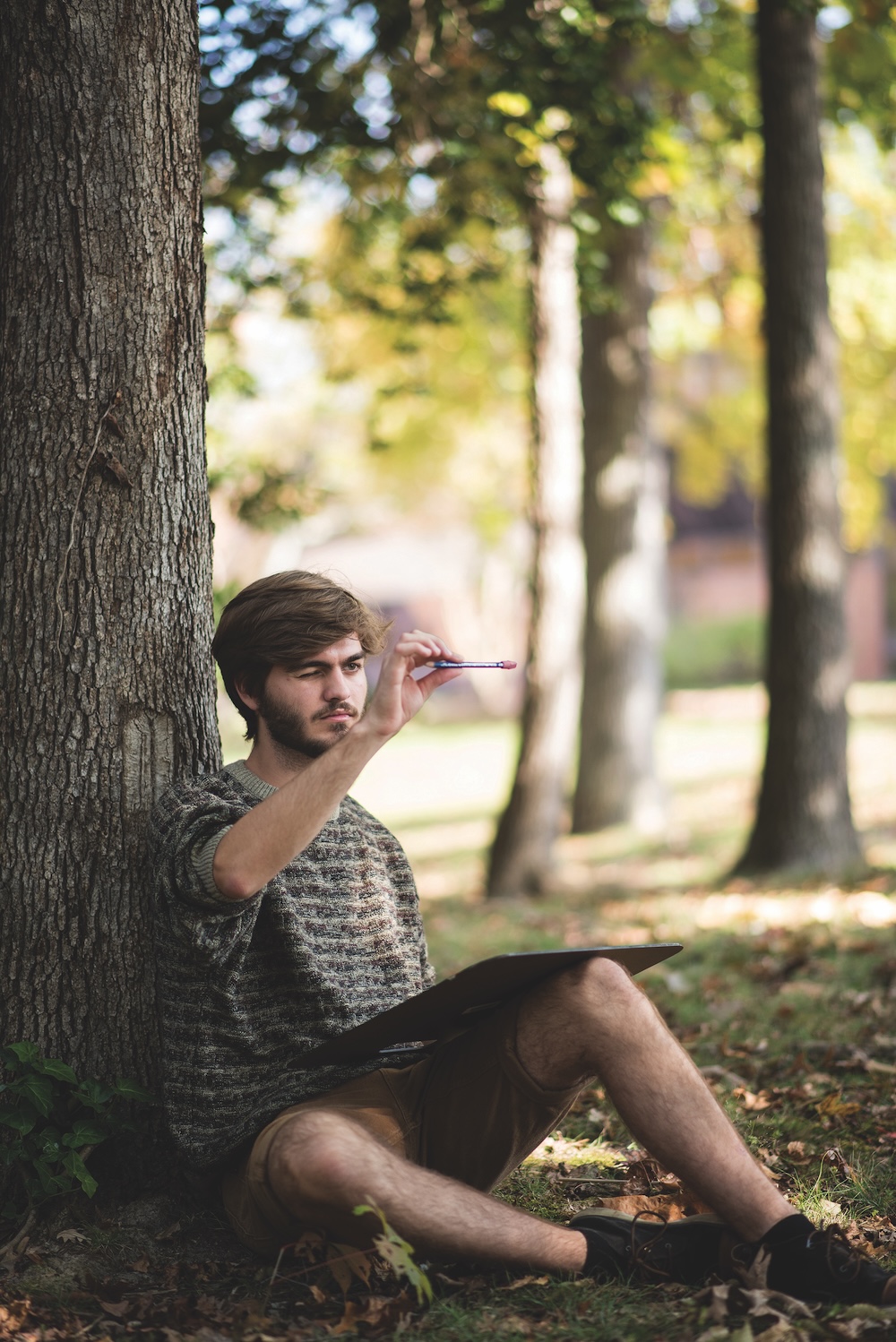
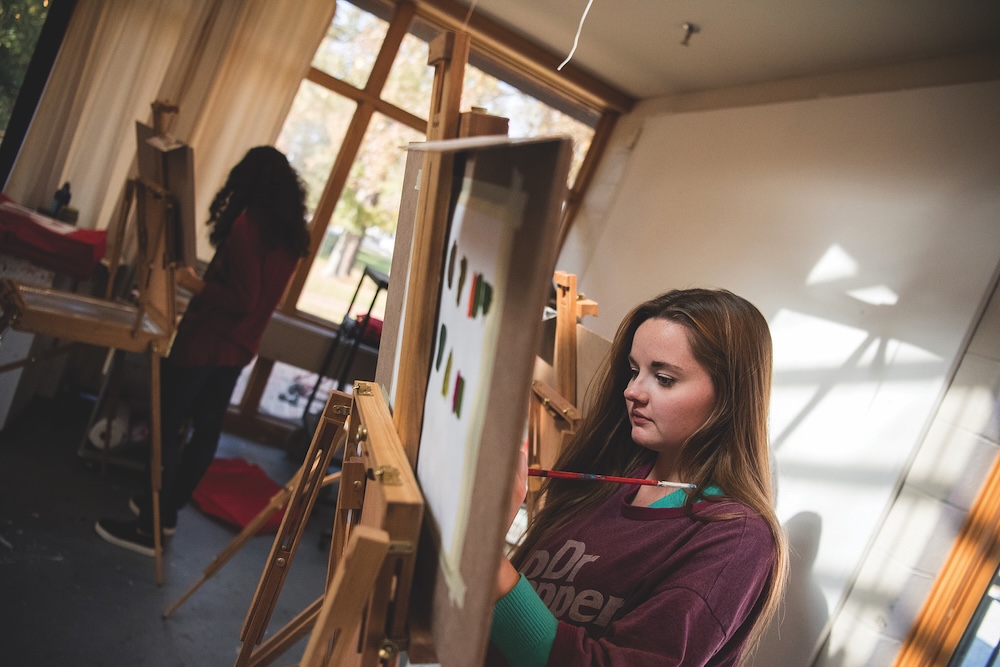
Majoring in Art at St. Mary’s College is an immersive journey where creativity meets critical inquiry. You’ll gain hands-on experience with diverse media—from traditional painting and printmaking to digital arts and animation—while refining your unique artistic voice.
Our small, studio-focused classes ensure personalized mentorship from dedicated faculty who support both your technical skills and conceptual development. Beyond the studio, the Art major encourages interdisciplinary exploration, allowing you to integrate your artistic practice with other fields like history, science, or creative writing.
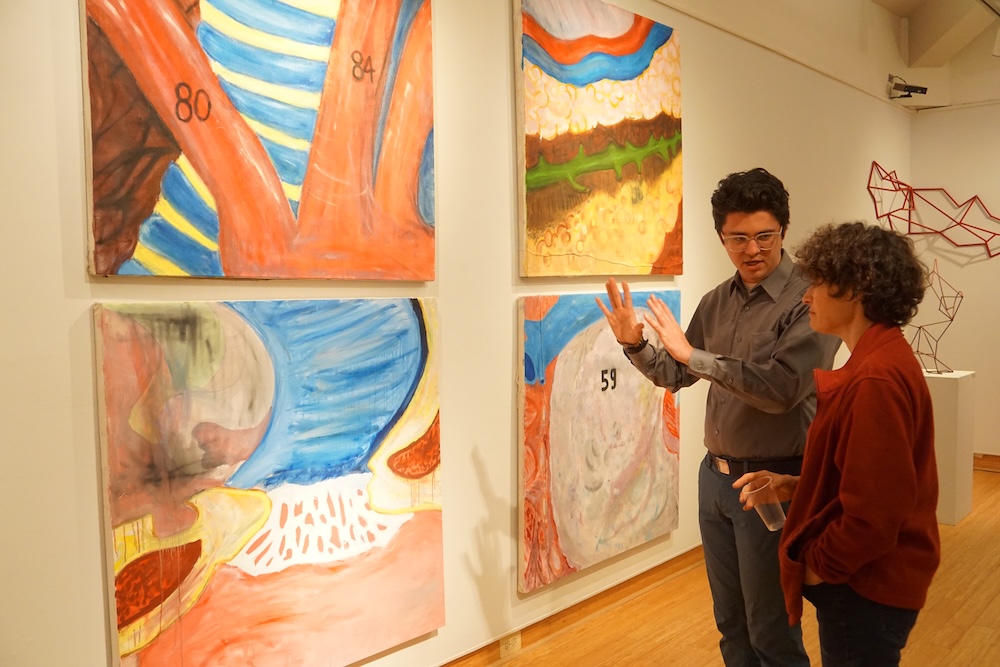
You’ll have opportunities to exhibit your work in campus galleries, participate in internships that connect you with the professional art world, and engage in undergraduate research projects that deepen your understanding of art’s cultural and social impact. Whether you’re aiming for a career as a professional artist, educator, or innovator in creative industries, the Art program at SMCM equips you with the tools, confidence, and critical thinking to thrive.
Art Minor
Minoring in Art at St. Mary’s College offers a flexible way to deepen your creative skills and visual literacy alongside your primary field of study. Whether you’re passionate about drawing, painting, printmaking, digital media, or photography, the minor provides hands-on studio courses that encourage experimentation and artistic growth.
The program emphasizes developing your technical abilities while also fostering critical thinking about art’s role in culture and society. This interdisciplinary approach allows you to complement your major with a creative perspective, enriching your academic experience and broadening your career possibilities.
Through gallery exhibitions, collaborative projects, and opportunities for internships or research, Art minors gain valuable exposure to professional practices and creative problem-solving that enhance their personal and professional development.
Courses Offered
Art Courses
- Art Courses>
HONORS COLLEGE PROMISE
As an Art major at St. Mary’s College, you’ll gain more than just technical skill—you’ll be immersed in a rich, interdisciplinary experience that extends well beyond the studio.
Through the Honors College Promise, students explore the arts in real-world contexts: working in the Boyden Gallery or Fine Art Collection; interning at museums and galleries in Washington D.C., Baltimore and Philadelphia; and studying abroad in cities like Florence.
Faculty-mentored research, including the capstone project, deepens your creative inquiry. With professors active in national exhibitions, residencies and publications, you’ll graduate with a strong portfolio and meaningful professional experience.
Scholarships
Frank McCutcheon Family Art Award
$400 awarded annually to a Junior or Senior art major who demonstrates artistic promise. Awarded by the studio art faculty through an online portfolio submission process and announced at the annual student exhibition opening.
The William Thomas Rowe Endowed Art Scholarship
Awarded annually to a junior or senior art major for the purpose of defraying the cost of his or her art education. Awarded by the studio art faculty through an online portfolio submission process. Works submitted must include 5 examples of artworks created from direct observation (figures, still-lives, landscapes etc.) and 5 examples of artworks that demonstrate outstanding artistic ability in any media area.
Capstone Studio Art Travel/Study Award
Awarded to Art and Art History students undertaking Capstone 1 and II with up to $1000 per each award to help students with costs associated with travel and study in completing their St. Mary's Projects. Studio art travel proposals are submitted along with the Senior Capstone proposals in the spring semester prior the start of the Capstone and are judged based both on their impact on Capstone projects and the student’s academic record.
Annual All-Student Show
- Outstanding Work in the Annual Student Show: Five $50 awards for outstanding work selected from entries to the SMCM annual student show by the juror with one award for each of the following category of students: first-year through fifth-year/continuing. The winners will be announced at the exhibition opening.
- Patti Runco Arts Alliance award: A $300 best of show award, the winner will be announced at the exhibition opening.
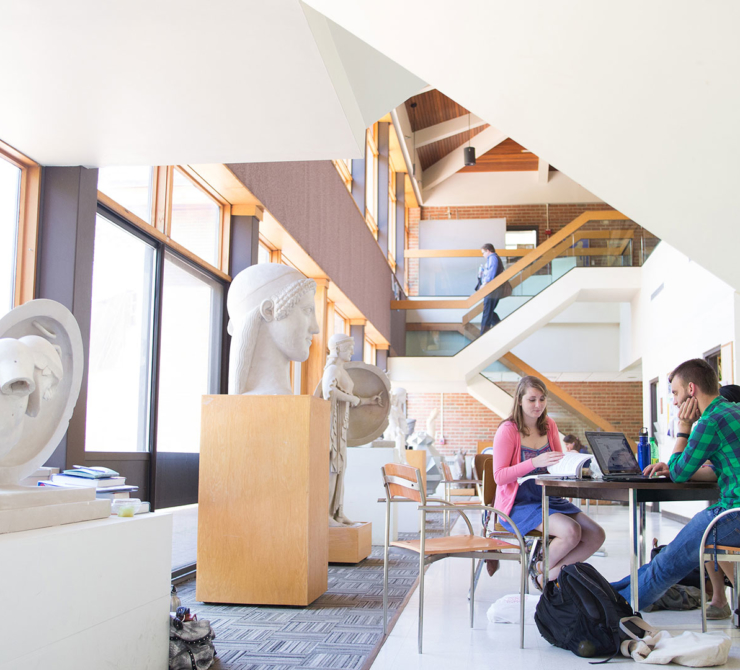
Facilities
The Department of Art is headquartered in Montgomery Hall, home to studio classrooms in a variety of media and many of our digital resources and exhibition spaces, including Boyden Gallery. The Senior Art Studios are studio spaces for seniors working on Capstone projects. Art students also benefit from the College’s interdisciplinary approach to education, the Artist House lectures and events with visiting artists and scholars and access to the college’s permanent art collection. And always, the beautiful natural surroundings and beautiful sunset provide inspiration year- round.
"At St. Mary’s, making art feels personal and limitless. Whether I’m creating in digital media or sketching by the river at sunset, I’m constantly surrounded by people and places that challenge and inspire me."
- JAEDON ASO '26, ART MAJOR
After you Graduate
Like all liberal arts degrees, an art major from St. Mary’s College opens a world of possibilities—there’s no single path, just endless directions to explore. Many graduates become professional artists, creating work that reflects their unique vision and engages communities.
Others find rewarding careers working in museums, galleries or cultural organizations where they can apply their deep understanding of art history and visual culture. Some choose to pursue graduate studies in fine art or art history, preparing to teach at the college level or specialize in advanced creative practice.
For those passionate about education, SMCM graduates often complete certification programs to teach art at elementary or secondary schools, sharing their love of creativity with the next generation. Whatever your goals, an art degree from SMCM equips you with critical thinking, technical skills, and a broad perspective to thrive in diverse creative careers.
LATEST NEWS
Connect with Your Program Chair
All the faculty here at St. Mary's College of Maryland want to help you explore your interests and set you up for success. We look forward to connecting with you and meeting you on campus.