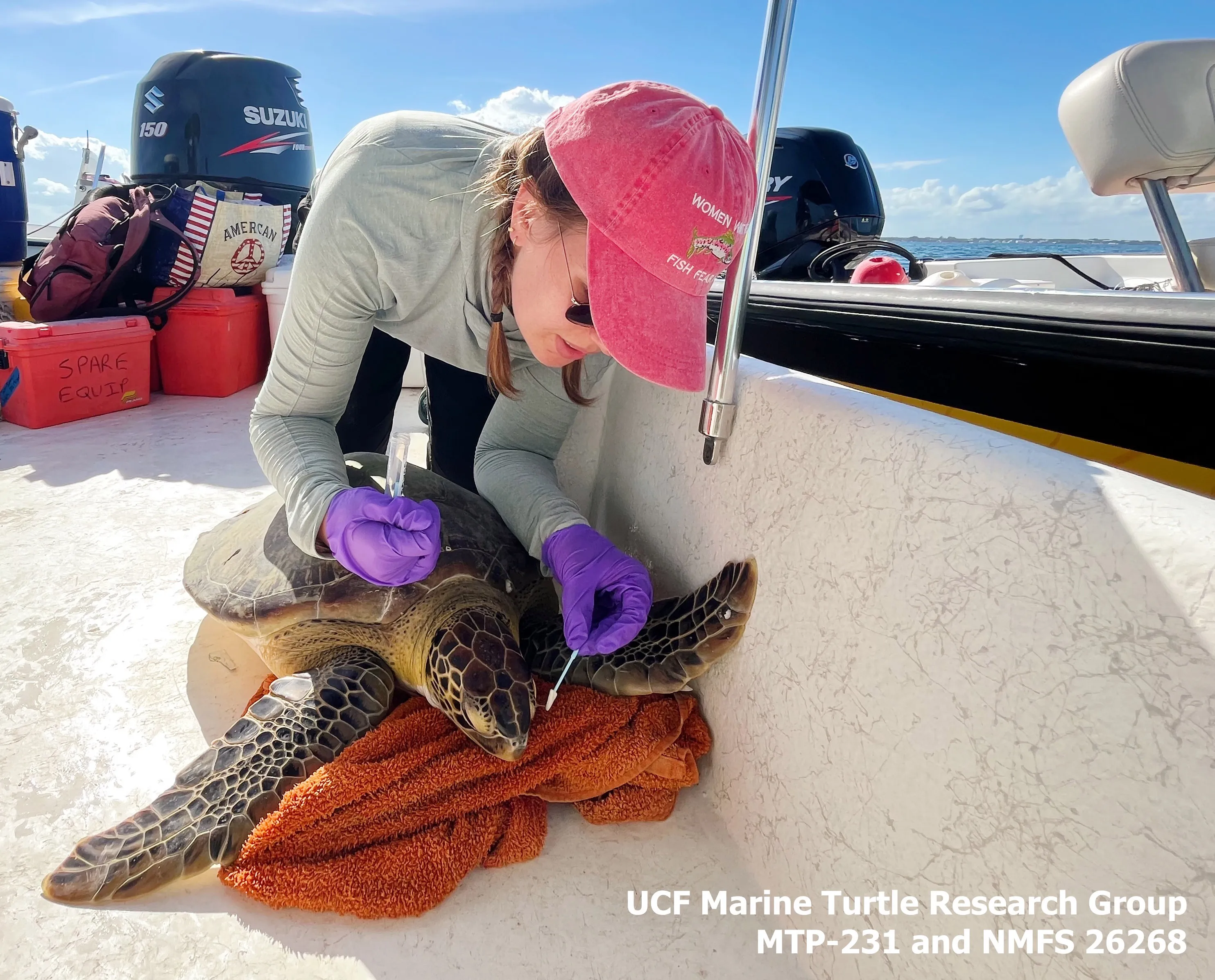
Research Spotlight

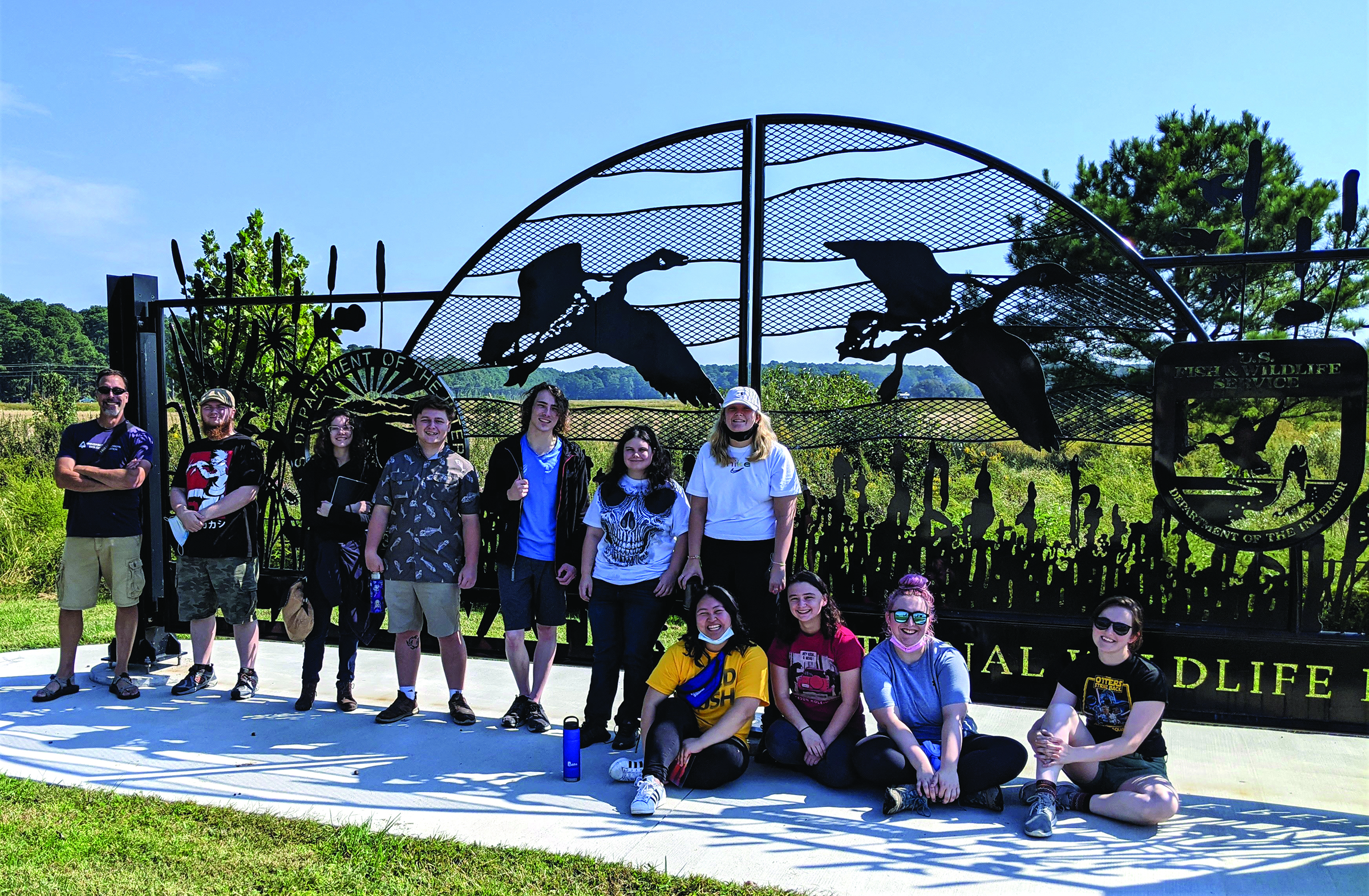
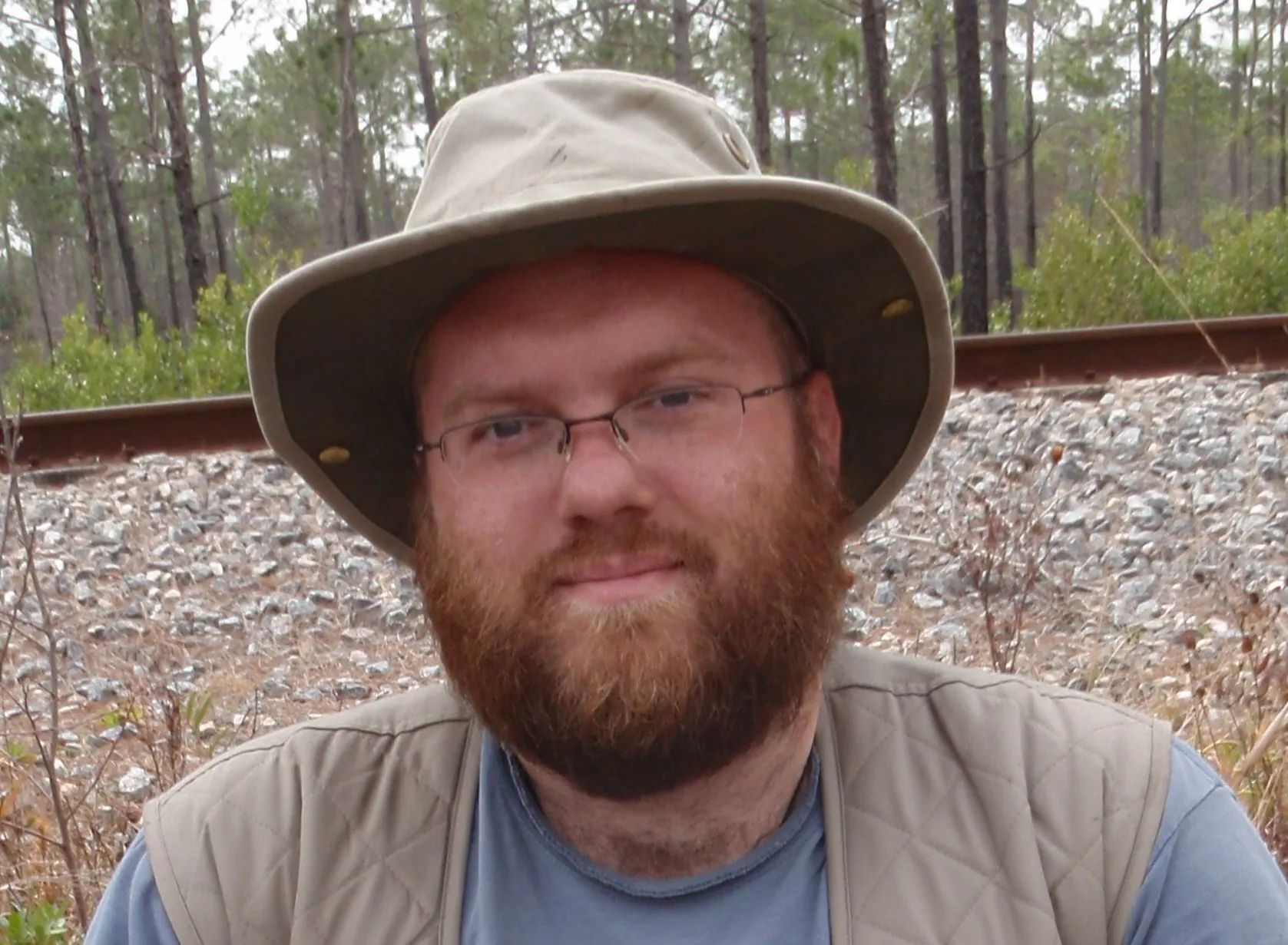
Students and Faculty work closely together on the St. Mary's River Project to increase the populaton of S.A.V.
Alumni Spotlight

Check out the latest edition of the SMCM BioLog - the Biology Alumni newsletter!
The Biology Major
The discipline of biology is extremely broad and deep. The curriculum in biology reflects this breadth with offerings ranging from introductory courses for biology majors and non-majors to advanced instruction in the various subdisciplines in biology. Depth is provided within the biology major by courses which focus on progressively more specific aspects of selected subject areas within biology.
The primary goal of the program in biology is to provide students with a broad background suitable for future work in any area of biology or in related fields. In the junior and senior years, students have the opportunity to deepen this general background or to begin specialization in various areas such as aquatic biology, botany, cellular and molecular biology, ecology, premedical and preprofessional studies, and zoology.
Through a careful choice of courses, made in collaboration with their faculty advisers, students may prepare themselves for secondary school teaching, for graduate work in biology or related areas, for careers as professional biologists in laboratories or field stations, for work in environmental studies or conservation, and for professional training in health and medicine-related fields.
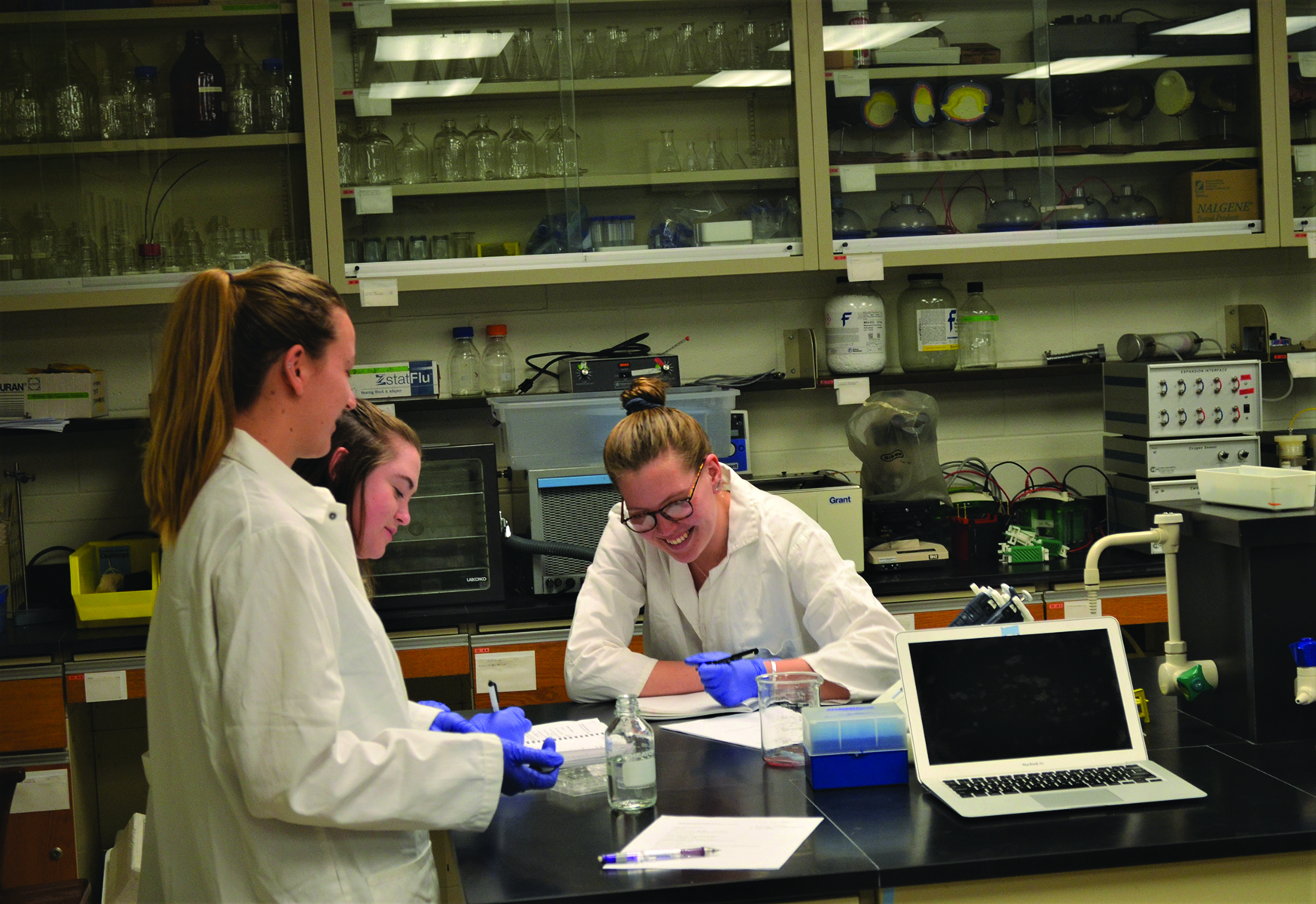
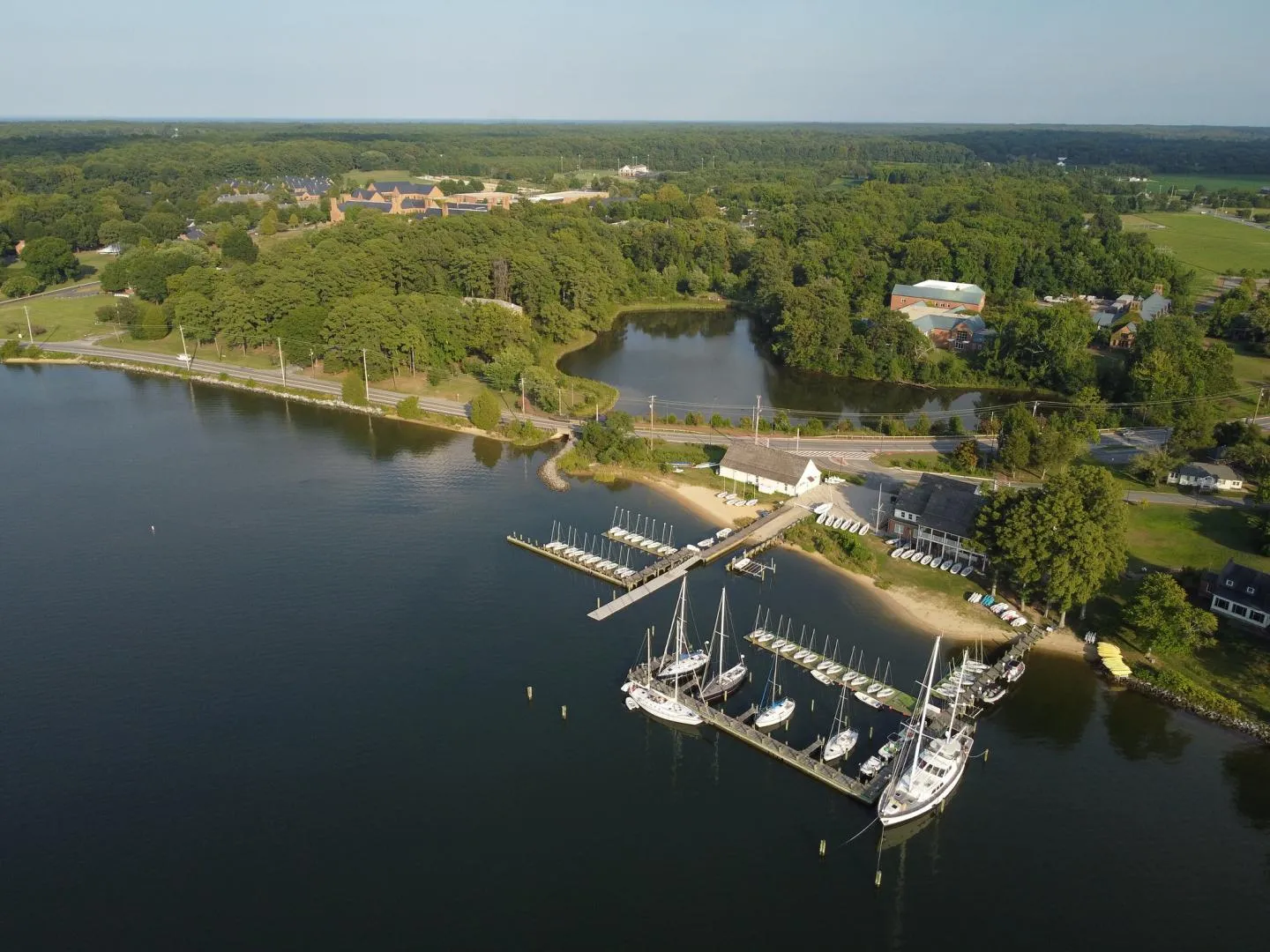
The location of the College on the St. Mary's River, a subestuary of the Chesapeake Bay, provides excellent opportunities for field studies in aquatic biology. Other research opportunities are available in laboratories at St. Mary's College and, through the Internship Program, at government and privately funded research laboratories in Maryland and elsewhere. Each student is encouraged to participate in field and/or laboratory research in the biological sciences through independent study, an internship, or a St. Mary's Project. Biology students are expected to take seriously the opportunity to become broadly educated in the liberal arts.
Degree Requirements
To earn a Bachelor of Arts degree with a major in biology, a student must satisfy the following minimum requirements:
1. General College Requirements (see Curriculum section of College catalog), including the following requirements to satisfy the major:
2. Required Courses:
- Physical Science Courses (12 semester hours)
- CHEM 105: General Chemistry
- CHEM 106: General Chemistry II
- CHEM 311: Organic Chemistry I
In addition to those three courses, Organic Chemistry II (CHEM 312), College Physics (PHYS 121, 122) or General Physics (PHYS 131, 132) and Calculus I and II (MATH 151, 152) are recommended for all students and are required by most graduate and professional schools.
- Biology Core Courses (16 semester hours)
- BIOL 105: Principles of Biology I
- BIOL 106: Principles of Biology II
- BIOL 270: Genetics
- BIOL 271: Ecology and Evolution
3. Elective Courses:
A minimum of 16 semester-hours in upper division biology courses is required, excluding Practicum in Biology Laboratory Instruction (BIOL 485), Internship (BIOL398, 498), and Independent Study (BIOL399, 499). The second four semester-hours of a St. Mary's Project in biology (BIOL494) may be counted toward the total 16 semester-hours. Of the 16 semester-hours, at least eight, not including the St. Mary's Project, must include a laboratory component.
4. Every biology major must complete a St. Mary�s Project.
This project may be in biology or in another major discipline or a study area. The guidelines established in the selected area apply. The project must be proposed to a mentor and to the chair of the Department of Biology at least three weeks before the last day of classes of the second semester of the student's junior year, and it must be approved by the mentor and the department chair.
5. Students must earn a grade of C or better in each course listed in paragraphs 2-4 (above), and maintain an overall GPA of 2.0 or better in these required courses.
6. All pre-requisites must be met with a grade of C or better.
Upper-Level Biology Courses
Biology is a very broad field, and a liberal arts education in biology should include both the breadth of the subject and its depth. To help students get this combination of breadth and depth, we have grouped upper-level elective courses in biology at St. Mary's into three categories (see below), based upon the level of biological organization that each course most closely studies. While students may wish to focus on one particular area of biology, such as aquatic biology or botany, we strongly advise them to be sure that their advanced course-work includes at least one course from each of these levels of organization. Please note, though, that these categories are somewhat artificial because many of our courses are designed to integrate material from more than one level of organization or taxonomic kingdom. For example, microbiology bridges ecology and molecular biology of bacteria, and photobiology discusses responses of organisms from several kingdoms to a critical environmental factor, light, addressing questions at all three levels of organization. Such courses may be especially useful in helping students to gain an integrated view of biology that will enable them to pose and solve complex or interdisciplinary questions. In addition, students should expose themselves to biodiversity by taking care not to concentrate solely on one group of organisms, for example plants or animals.
Population/Community/Ecosystem Level Courses
- BIOL 316-Tropical Marine Biology
- BIOL 327-Ecology and Diversity of Maryland Plants
- BIOL 432-Limnology
- BIOL 463-Ecology of Coastal Systems
Organismal Level Courses
- BIOL 303-Invertebrate Zoology
- BIOL 305-Animal Behavior
- BIOL 312-Biology of Plants
- BIOL 330-Human Anatomy and Physiology
- BIOL 401-Developmental Biology
- BIOL 435-Plant Physiology
- BIOL 436-Comparative Animal Physiology
Cellular/Biochemical Level Courses
- BIOL 359-Photobiology
- BIOL 360-Microbiology
- BIOL 418-Virology
- BIOL 419-Neurobiology
- BIOL 424-Biochemistry II
- BIOL 438-Cell Physiology
- BIOL 470-Immunology
- BIOL 471-Molecular Biology
- BIOL 472-Molecular Evolution
Suggested Sequence
The following sequence of courses is a typical model for the fulfillment of the above requirements:
Freshman Year:
General education requirements, BIOL 111, BIOL 112, CHEM 105, CHEM 106, MATH 151, 152 (optional, but recommended)Sophomore Year:
General education requirements, BIOL 270, BIOL 271, CHEM 311, CHEM 312 (optional, but recommended)Junior Year:
General education requirements, biology electives, PHYS 121, 122 (optional, but recommended)Senior Year:
Biology electives, BIOL 494
Teacher Certification
Students interested in securing Maryland state certification in biology should study the description of the College's Teacher Education Program. In addition, an interested student should consult with the chair of the Department of Educational Studies by the end of the first semester of the sophomore year.
BIOLOGY COURSES (BIOL)
BIOL 100. Contemporary Bioscience (4E)
An introductory biology course for students who desire an overview of biological concepts and contemporary issues in biology and environmental sciences. The scientific method as a way of knowing will be stressed. Sections of this course are topical, with topics drawn from ecology and environmental sciences, cell and molecular biology, evolution, human biology, and other areas of biology. This course satisfies the general education requirement in biological science and is recommended to those students who do not plan to continue in the biological sciences.
BIOL 101. Contemporary Bioscience with Laboratory (4E)
An introductory biology course for students who desire an overview of biological concepts and contemporary issues in biology and environmental sciences. The scientific method as a way of knowing will be stressed. Sections of this course are topical, with topics drawn from ecology and environmental sciences, cell and molecular biology, evolution, human biology, and other areas of biology. Lecture and laboratory. This course satisfies the general education requirement in biological science and the general education laboratory requirement.
BIOL 105. Principles of Biology I (4F)
An introductory course on the organization and function of cells. The structure and function of subcellular units as well as membranes, metabolism and genetics will be considered for both prokaryotic and eukaryotic cells. Laboratory exercises will include observations of both the structure and functions of cells and cellular components. This course satisfies the general education requirement in biological science and the general education laboratory requirement, and is recommended to those students who may continue in the biological sciences. Lecture and laboratory.
BIOL 106. Principles of Biology II (4S)
An introduction to the structure, function, and diversity of plants and animals, with evolution as the unifying theme. Particular emphasis will be given to organisms� interactions with and adaptations to their environment. Lecture and laboratory. Prerequisite: BIOL 105.
BIOL 270. Genetics (4F)
An examination of the fundamental principles underlying heredity and variation. This course will trace the origins of contemporary genetic thought from the discovery of Mendel�s Laws through the development of the chromosome theory of inheritance, followed by a consideration of the recent advances in molecular genetics and the genetic structure of populations. Lecture and laboratory. Prerequisite: BIOL 106, Co-requisite: CHEM 105.
BIOL 271. Ecology and Evolution (4S)
An examination of ecological principles and concepts and the evolutionary basis of ecological relationships at the community, population, and species levels of organization. Class discussion will focus on ecological and evolutionary processes, including ecosystem and community function, population dynamics, population genetics, natural selection, biogeography and speciation. Lecture and laboratory. Prerequisite: BIOL 270.
BIOL 303. Invertebrate Zoology (4AS)
A systematic examination of invertebrate life. Both lecture and laboratory emphasize phylogenetic relationships and evolutionary advancement in both terrestrial and marine invertebrate animals. Lecture and laboratory. Prerequisite: BIOL 106.
BIOL 305. Animal Behavior (4AF)
An examination of principles and methods of the study of animal behavior based on ethology, comparative psychology, and neurobiology. Topics include methods, evolution, genetic control, learning, physiology of the senses and nervous system, orientation and migration, biological rhythms, communication, and sociobiology. Lecture and laboratory. Prerequisite: BIOL 271.
BIOL 312. Biology of Plants (4S)
An introduction to plants, fungi, and algae. Topics will include diversity, anatomy, development, physiology, and ecology of these organisms. Class discussions will also include economic importance of plants and the scientific basis of some common horticultural practices. Laboratory sessions will cover basic plant diversity, anatomy, development, ecology, and physiology. Lecture and laboratory. Recommended for students wishing a basic knowledge of plant biology and/or students planning to take more advanced plant courses (e.g., BIOL 327, 435). Prerequisite: BIOL 106.
BIOL 316. Tropical Marine Biology (4AS)
An examination of physical, chemical, and biological characteristics and processes of coastal tropical marine communities. Discussion focuses on interactions between the biota of marine communities and the physical and chemical characteristics unique to tropical marine environments. These are compared and contrasted with those of temperate marine environments, especially of the northwest Atlantic. Laboratory exercises prepare students for a project-oriented field experience in the Caribbean during spring break. Lecture and laboratory. Prerequisite: BIOL 271 and consent of instructor. Recommended: BIOL 303, or 463.
BIOL 327. Ecology and Diversity of Maryland Plants (4AF)
A course in the ecology and systematics of the mid-Atlantic terrestrial flora. We will study the evolutionary relationships of plant groups, with emphasis on flowering plants, the use of keys, and the preparation and study of herbarium specimens. As we learn about the flora, we will examine how climate, soil, and the biotic environment influence the distribution and abundance of the principal plant types. Lecture, laboratory and field experiences (one or two overnight trips). Prerequisite: BIOL 106.
BIOL 330. Human Anatomy and Physiology (4AF)
A comprehensive and integrated overview of the structure and function of organs and organ systems of the human body. This course is specifically designed to provide a strong foundation of knowledge for students planning a career in the health sciences. Lecture and laboratory. Prerequisites: BIOL 105 and 106, or consent of instructor.
BIOL 337. Population/Community Ecology (4S)
Ecology is concerned with the relationships between organisms and their environment at three levels of biological hierarchy: the organism, populations of organisms, and communities of populations. Population /community ecology attempts to provide a theoretical framework in which to describe and make predictions about various ecological systems. This course will examine resource use, population growth, migration and dispersal, predator-prey interactions, inter- and intra-specific competition, parasitism, life-history variation, species diversity, and community structure. Laboratory will reflect topics covered in lecture and include several field projects. Lecture and laboratory. Prerequisites: BIOL 271, MATH 151.
BIOL 359. Photobiology (4AS)
An integrative view of biology using a single environmental factor - light - as the unifying theme. Light is critical to organisms from all the kingdoms of life, and we will examine its effects at ecological, organismic, and cellular levels. We will consider how organisms use light as an energy source and as an information source, how light can damage living organisms, and some ways it is used in medicine. Lecture and laboratory. Prerequisites: BIOL 106, CHEM 106 or consent of the instructor.
BIOL 360. Microbiology (4S)
Classification, physiology, and ecology of microorganisms with major emphasis on the bacteria. Laboratories will stress applied microbiology.Lecture and laboratory. Prerequisite: BIOL 270.
BIOL 380. Topics in Biology (2-4)
An investigation of a specialized area of biology not normally covered in the biology curriculum. Topics will be selected by the biology faculty according to student interest. Students are encouraged to suggest topics for this course. May be repeated for credit if the topic is not repetitive. Lecture, or lecture and laboratory. Taught according to student demand and staff availability. Topics in Biology also includes graduate seminars (Ecology, Toxicology, Fisheries, and Environmental Chemistry) taught annually at Chesapeake Biological Laboratory, and St. Mary�s students may attend these courses under the College�s cooperative agreement with the University of Maryland.
BIOL 401. Developmental Biology (4S)
A consideration of the development of plant and animal embryos, including the processes involved in cell and tissue differentiation. Lecture and laboratory. Prerequisite: BIOL 270.
BIOL 418. Virology (4F)
This course is designed for the upper-level biology and natural science student with an interest in the study of viruses. Lectures will encompass the areas of viral taxonomy, structure, life cycle, as well as detailed discussion of individual viruses that could include but not be limited to HIV, Ebola, Herpes, Rabies, influenza, and oncogenic viruses. Historical as well as current literature will be presented in both lecture and discussion formats. Students will be expected to become familiar with reading and understanding original virological research papers. Prerequisite: BIOL 270. Co-requisite: CHEM 311.
BIOL 419. Neurobiology (4AS)
This course will offer students an introduction to the basic concepts in neurobiology. The content will range from molecular and cellular biology of the neuron and brain systems, to comparative neuroanatomy and brain development, to behavior. Integrated topics will include drugs of abuse, methods and drugs used in research, and the genetics and animal models of neurological disease. Learning will take place through lectures, demonstrations, laboratory exercises, discussions of outside readings and student presentations. Lecture and laboratory. Prerequisite: BIOL 106.
BIOL 424. Biochemistry II (4S)
A continuation of the material covered in CHEM 420 with an emphasis on metabolic processes. Lecture and laboratory. Prerequisite: CHEM 420. This course is cross-listed as CHEM 422. Students may receive credit for either course but not both.
BIOL 432. Limnology (4AS)
A survey of biological, chemical, and physical features of both flowing and standing freshwater systems. Laboratory includes numerous field experiences and stresses sampling techniques and analyses. Lecture and laboratory. Prerequisite: BIOL 271.
BIOL 435. Plant Physiology (4AF)
A study of the life processes of plants. We will discuss the physiological processes of higher plants (water relations, metabolism, and development) and consider the potential of modern biotechnological methods for improved agricultural production. In the laboratory, during the first part of the semester, students will learn upto-date techniques used in plant physiology. Students will then design and carry out individual projects employing techniques they have learned. Lecture and laboratory. Prerequisites: BIOL 106 and CHEM 106.
BIOL 436. Comparative Animal Physiology (4F)
The study of animal function, especially as it is related to survival in the organism�s natural environment. Animal functions at the level of the whole organism, the organ system, and the cell are discussed. Lecture and laboratory. Prerequisites: BIOL 106, CHEM 106; PHYS 122, or PHYS 132 recommended.
BIOL 438. Cell Physiology (4F)
An examination of the fundamental life processes occurring within cells. The cellular and molecular basis of life is discussed, with emphasis on the relationship between cell structure and function. Topics include cell mechanics and membrane structure, motility and adhesion, transport, electrical activity, signaling and second-messenger systems, growth and replication, cytoskeletal and organelle structure and function, and a brief overview of mammalian immunology as a signal and defense system. Lecture and laboratory. Prerequisite: BIOL 270. Recommended: CHEM 420.
BIOL 440. Scanning Electron Microscopy (2F)
This is a laboratory-oriented course featuring the use of the scanning electron microscope. The course focuses on the principles of scanning electron microscopy, specimen preparation methods, and specimen imaging and photography. Recommended for students wishing a basic knowledge of scanning electron microscopy and/or planning further projects using the scanning electron microscope as a research tool. Students will be encouraged to co-register for BIOL 399/499 (Independent Study) or BIOL 493/494 (St. Mary�s Project) to apply the principles and methods learned in the course to specific research projects. Prerequisites: BIOL 106, CHEM 311.
BIOL 463. Ecology of Coastal Systems (4F)
This is a field-oriented course which examines physical, chemical, and biological variables in estuarine and coastal marine ecosystems, and how they affect the distribution and ecology of aquatic and intertidal organisms. Methods of measuring physical, chemical, and biological parameters will be discussed and demonstrated. Laboratory will include a student-designed research project on some aspect of estuarine or marine ecology. Lecture and laboratory. Prerequisite: BIOL 271.
BIOL 470. Immunology (4AS)
A brief history of immunology followed by an introduction to the immune system. The following topics are examined in depth: antibodies; detection and application of antigen-antibody reactions; expression of antibody genes; molecular recognition at cell surfaces; genes and proteins of the major histocompatibility complex; development of the immune system; the immune response; effect or mechanism of the immune system; tolerance and regulation of immunity; tissue transplantation; immunopathology, and cancer biology and immunology. Lecture and laboratory. Prerequisite: BIOL 270. Co-requisite: CHEM 311.
BIOL 471. Molecular Biology (4S)
An integrated lecture and laboratory course on the theoretical basis and laboratory practice of modern molecular biology. An initial examination of the biochemistry of nucleic acids and the structure and expression of genes will be followed by an exploration of the recombinant DNA methods used to study genes. Using current research literature, students will also learn how molecular techniques are applied to problems in human genetics, medicine, plant biology, and industry. Co-requisite: CHEM 311 or consent of instructor.
BIOL 472. Molecular Evolution (4AF)
Molecular evolution encompasses two basic areas: 1) the study of the rates and patterns of change that occur in DNA and proteins over evolutionary time, and 2) the study of the evolutionary history of genes and organisms. In this course we will examine these two broad areas by focusing on gene structure and mutation, population genetics, change in nucleotide sequences, molecular systematics, and evolution by genome organization. Laboratory will reflect topics covered in lecture; students will become skilled in molecular methods, such as DNA sequencing, and various computational methods for analyzing molecular data (e.g. PAUP, Maclade, etc.). Lecture and laboratory. Prerequisite: BIOL 271.
BIOL 480. Topics in Biology (2-4)
An investigation of a specialized area of biology not normally covered in the biology curriculum. Topics will be selected by the biology faculty according to student interest. Students are encouraged to suggest topics for this course. May be repeated for credit if the topic is not repetitive. Lecture, or lecture and laboratory. Taught according to student demand and staff availability.
BIOL 485. Practicum in Biology Laboratory Instruction (2E)
Supervised experience in organizing, preparing, and teaching biology laboratories. Students are assigned to a specific biology course and will assist the instructor in one laboratory section each week. Grade evaluation will be based on attendance, preparation, teaching ability and specific tasks assigned by the instructor, such as designing a demonstration or experiment to illustrate a biological principle. May be repeated for credit. Prerequisites: Students must be 3rd- or 4th-year biology or natural science majors and/or must obtain consent of the instructor.
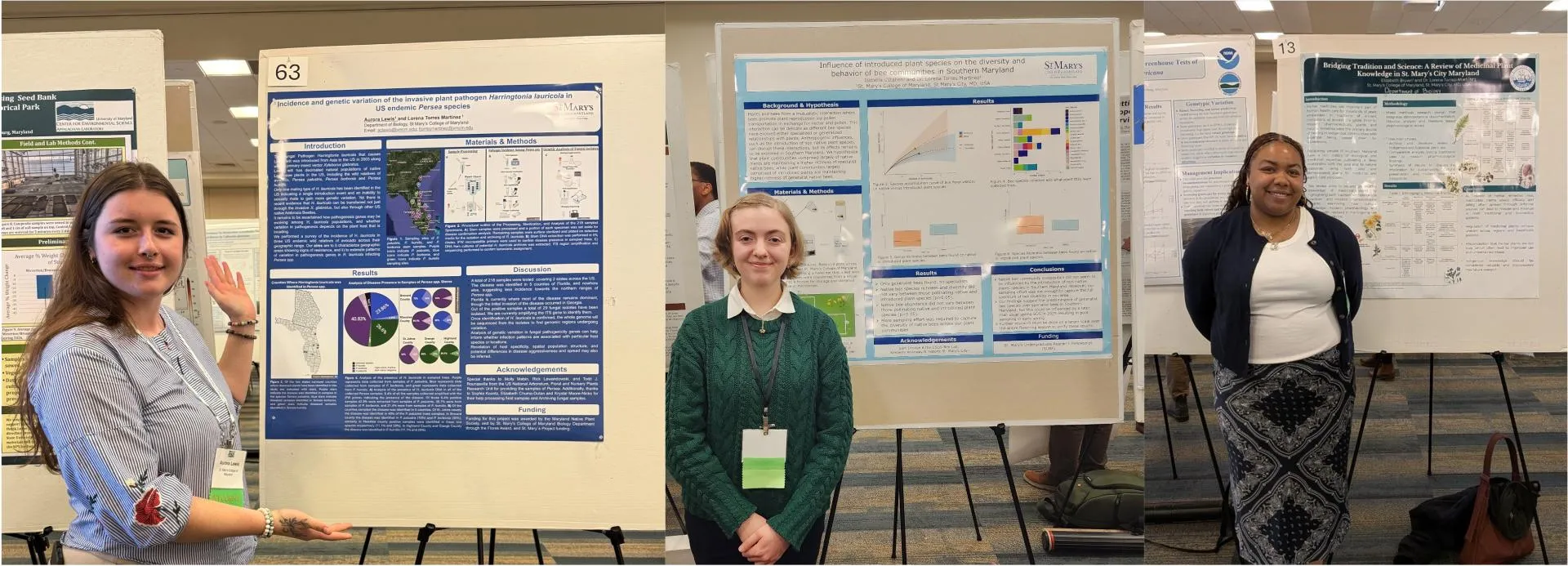
BIOL 493/494. St. Mary�s Project in Biology (1-8E)
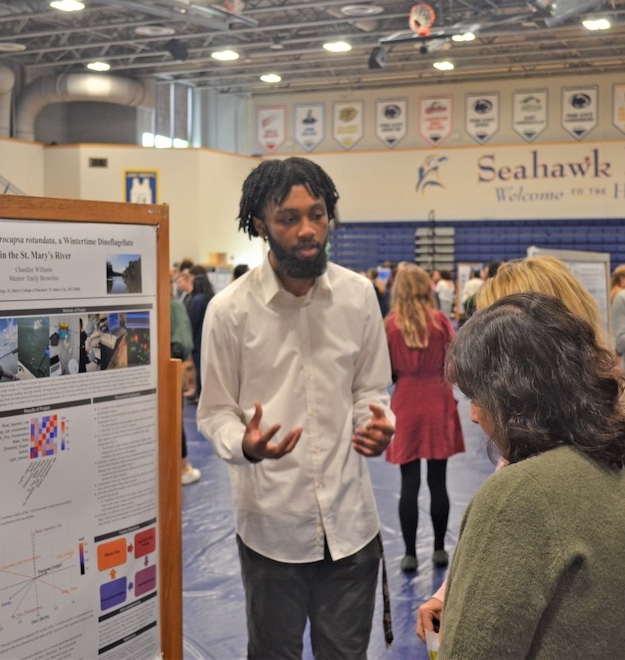
The project, which may take many forms, draws on and extends knowledge, skills of analysis, and creative achievement developed through previous academic work. In consultation with a faculty mentor, the student initiates the project, identifies an area to be explored, and proposes a method of inquiry appropriate to the topic. Although the project may be within this discipline, across disciplines, or in established cross-disciplinary studies programs, students will be responsible for proposing a project that can gain the approval and support of the biology program and faculty. The project should include a reflection on the body of literature, or the conceptual framework to which it is a contribution. It must be shared with the College community through posters, presentations, or other means. This course is repeatable for up to 8 semester-hours and fulfills four of the sixteen semester-hours of upper-division biology courses required to earn a degree in biology. Prerequisite: Approval of faculty mentor and department chair of the student�s major(s). Consult faculty mentor for project guidelines.
BIOL 398, 498. Off-Campus Internship (4-16E)
A variety of off-campus experiential learning opportunities can be arranged through the director of internships. The off-campus internship is an individually designed experience that allows the student to explore the relationship between learning in the classroom and the practical application of knowledge in everyday work situations. Prerequisites: Admission to the Internship Program and approval of the academic adviser and the department chair. (See �Internships� under �Academic Policies� section.) Credit/No credit grading.
BIOL 199, 299, 399, 499. Independent Study (1-4E)
This course consists of an independent creative or research project designed by the student and supervised by a biology faculty member. The nature of the project, the schedule for accomplishment, and the means of evaluation must be formalized in a learning contract prior to registration. (See �Independent Study� under �Academic Policies� section.)
.