What We Offer
Through courses, coaching and connections, the Career Development empowers St. Mary’s College of Maryland students and alumni to navigate and succeed in their professional journeys.
This includes connecting you with experiential opportunities, networking, and professional skill development. The Office of Career Development and Community Engagement offers support at every stage of your career development, from first-year Professional Pathway courses and volunteer opportunities to postgraduate networking and coaching.
Upcoming Events
Nonprofit Expo: Friday, September 4, 4:00-6:00pm on the Glendening Lawn
Fall 2026 Career Week
October 26-November 3, 2026
[Events Subject to Change]
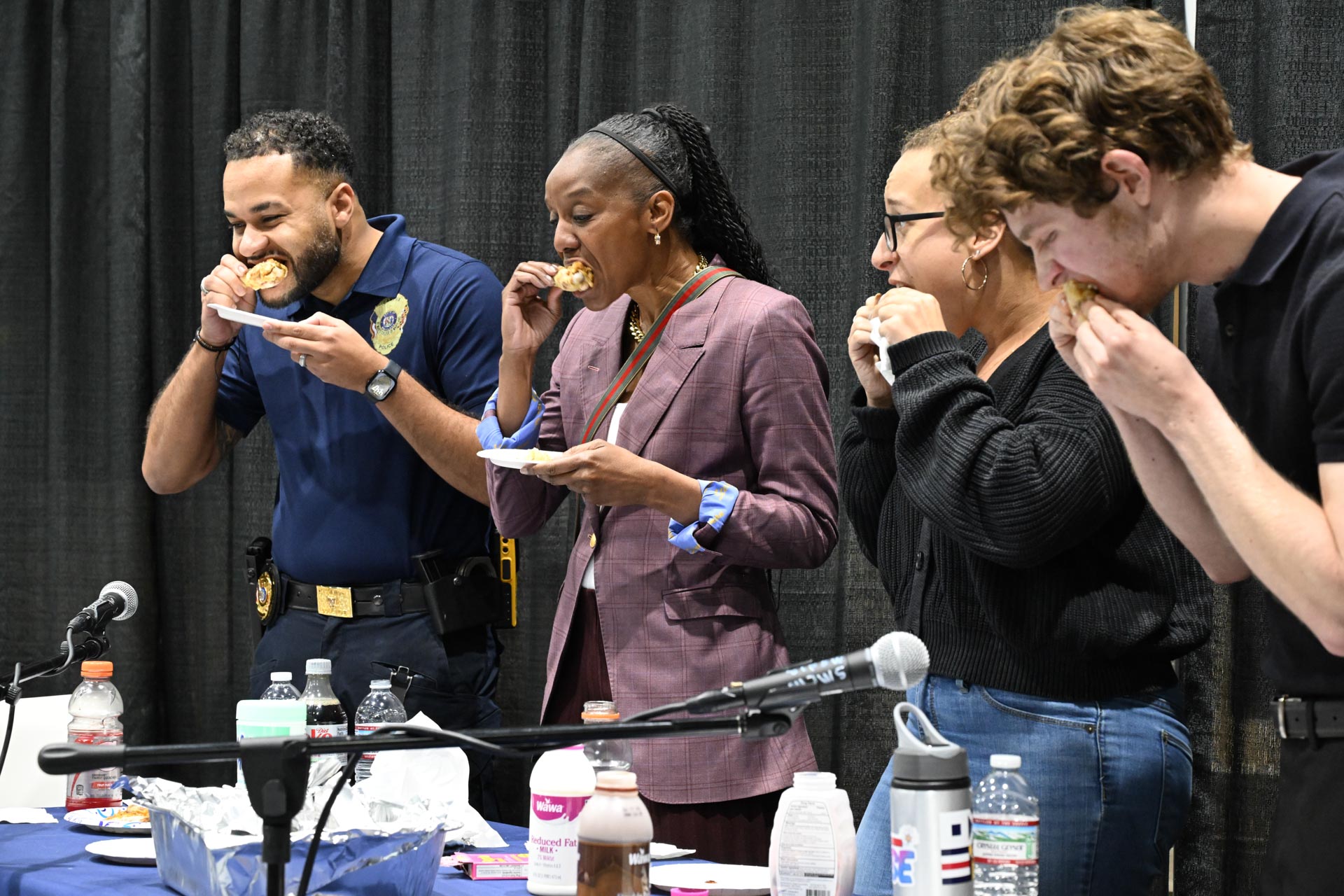
CDCE Hot Ones: October 27, 2026
Location TBD
Solomon’s Career Closet: October 28, 2026
Solomon’s Shoppe, Waring Commons
Meatball’s Mock Interview: October 29, 2026
Location TBD
Goose Chase: October 27-November 2, 2026
Virtual Scavenger Hunt
Career & Internship Fair: Tuesday, November 3, 10:00am-1:00pm in the ARC
 Career Events in Handshake
- An error has occurred, which probably means the feed is down. Try again later.
Appointments
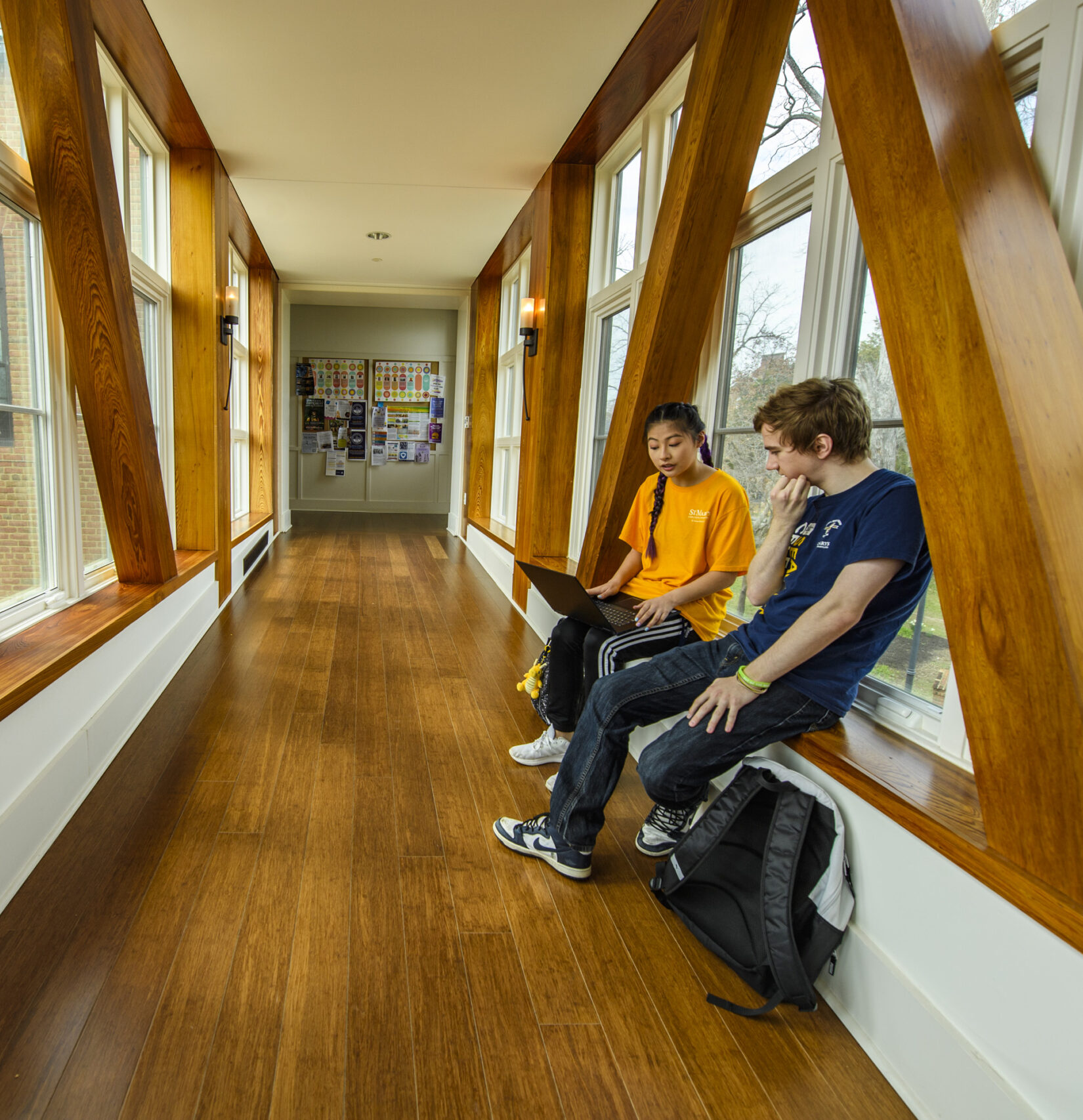
We want to help you prepare for the future! Whether you are a St. Mary’s College student or alum, you can meet with our team in person, online, or by phone for help with your career and professional development questions.
Not sure what you need help with? Stop by, call or email us: Glendening Hall 210, careercenter@smcm.edu, (240) 895-4203.
For questions about community service or volunteer opportunities, please contact the Office of Career Development and Community Engagement at community@smcm.edu or (240) 895-4203.
Professional Pathways
The Professional Pathways courses are a key component of the Learning through Experiential and Applied Discovery (LEAD) curriculum. LEAD courses prepare students to successfully bridge from college to career, and are based on the career-readiness competencies identified by the National Association of Colleges and Employers (NACE).
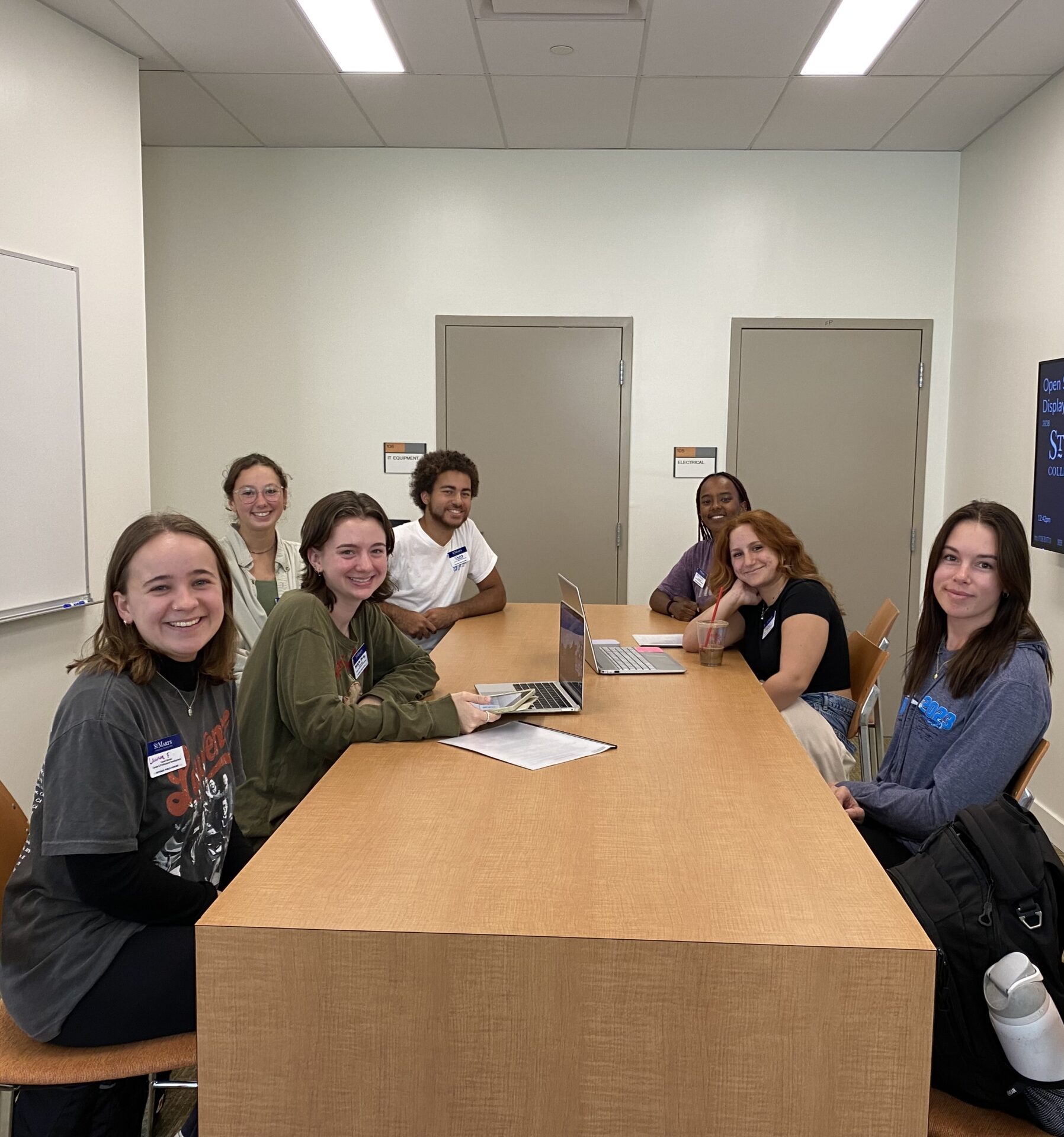
Resume, Document & Profile Review
Writing a great resume, cover letter and reference list—and creating a strong profile on Handshake and LinkedIn—can open opportunities for you, and we’d like to help! See the tips below for detailed instructions on how to create them effectively.
Internships
We can share resources that help students find an internship year-round! Earning credit for your internship is also an option to all students. Be sure to contact our Internship Coordinator before starting an internship if you want to learn more about the process or are interested in earning credit.
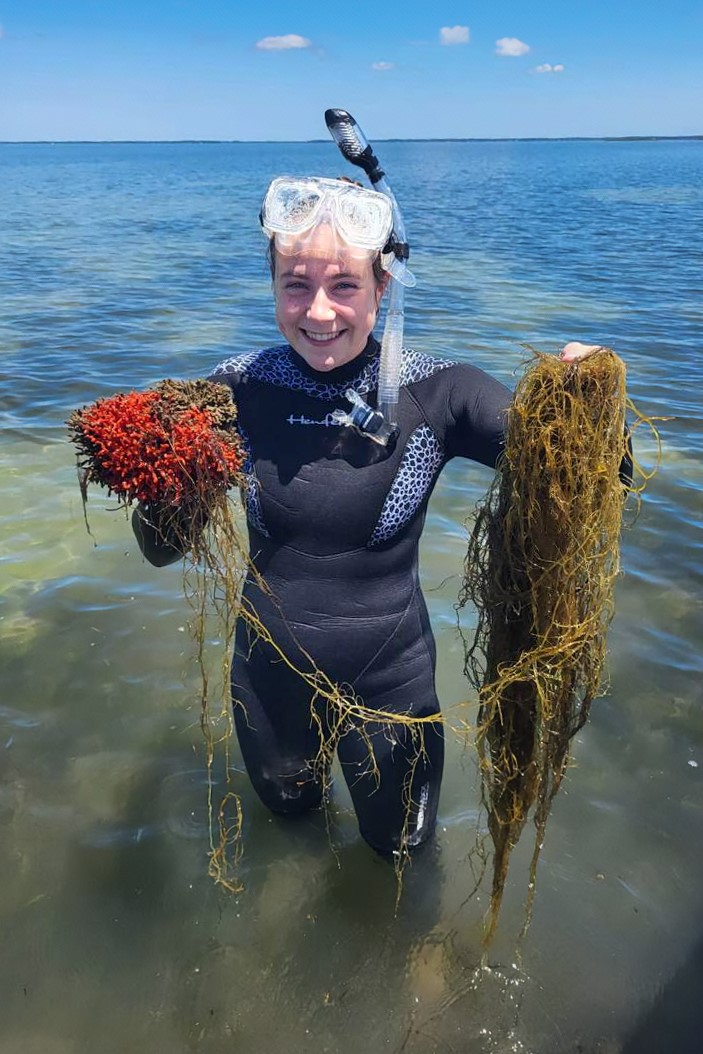

Chart your Career Path
Not sure what path to pursue? Our team can help you analyze industries and your interests to guide you towards career success. Please click the “Make an appointment” button below or explore the following resources.
Looking for a Job?
Students can use their St. Mary’s College login for their Handshake account at smcm.joinhandshake.com. To find on-campus jobs and internships, search for “Saint Mary’s City”. Recent alumni can also use Handshake—just email us at careercenter@smcm.edu and we’ll help you sign up!

Recruiting Policy and Disclaimer Statement
The Office of Career Development and Community (CDCE) provides recruitment services to employers/individuals who abide by employer standards of ethical conduct established by the National Association of Colleges and Employers (NACE). Opinions and views expressed by guests are their own and their appearance at a CDCE program does not imply an endorsement of them or any entity they represent by St. Mary’s College of Maryland (SMCM). Organizations agree that they will adhere to EEO standards in all recruiting activities, that no fee will be charged to any candidate at any time, and that organizations will not disclose student information under any circumstances to other entities without the student’s prior written consent. SMCM is not responsible for employers’ representations or guarantees regarding job or internship postings, nor is it responsible for wages, working conditions, safety, or other work-related issues that may arise after placement with an employer. It is the responsibility of students and alumni to take the necessary precautions when interviewing for and accepting part-time, full-time and/or internship positions. Applicants should never provide their Social Security numbers, birth dates, credit card numbers, bank account information or other private information when communicating with prospective employers or responding to employment opportunities online. Please refer all questions to CDCE’s director at (240) 895-4203.