Invest in your future.
At St. Mary’s College, the economics classes begin with a core of theory, and then proceed to move into the study of the application of that economic theory in relation to issues of public and social policy.
The goal of the curriculum is to provide you with a rational basis for understanding and evaluating the operation of American and other economies and to assist you in the formation of intelligent, informed and critical judgments on relevant issues of public and private concern.
career outcome rate: employed, in school, volunteering, or in the military (Class of 2023)
Study Abroad programs for students
SMCM's student-to-faculty ratio supports students through their time on campus and beyond
Economics Major
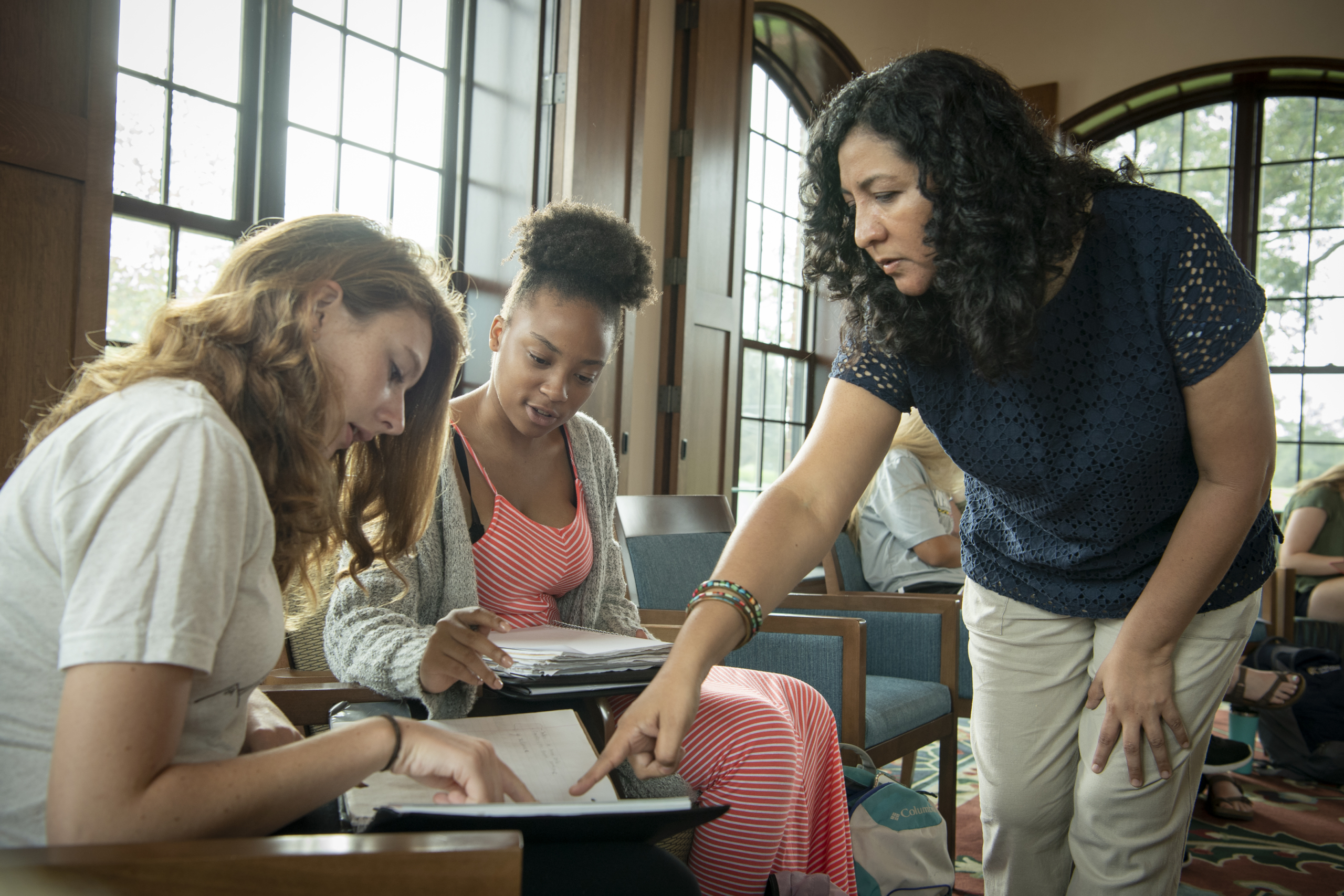
Economics is the study of how people, businesses, and countries make choices about money and resources. Economists look at big issues like jobs, technology, poverty, the environment and trade between countries.
As an economics major, you’ll learn how the economy works and how to study it using facts and data. You’ll also see how economics connects to other subjects and real-life problems. You can choose to focus on:
- Government and social issues
- Business and how it runs
- Global money and trade
- Economic ideas and how to use them
Economics Minor
Minoring in economics helps prepare you for jobs in business, government, law, teaching, journalism and public service. It’s also a good starting point if you want to study economics or business in graduate school. Since today’s jobs often involve working with information and technology, economics classes also teach how to use modern tools and data.
Courses Offered
Economics Courses
- Economics Courses>
Honors College Promise
Expand your learning beyond the classroom with opportunities like studying abroad, internships, hands-on classes, or independent research. These experiences help you see the bigger picture.
While at St. Mary’s College you are encouraged to look outside the classroom in order to gain a broader perspective of the world. We also encourage you to pursue internships to better understand the industries you will be working in.
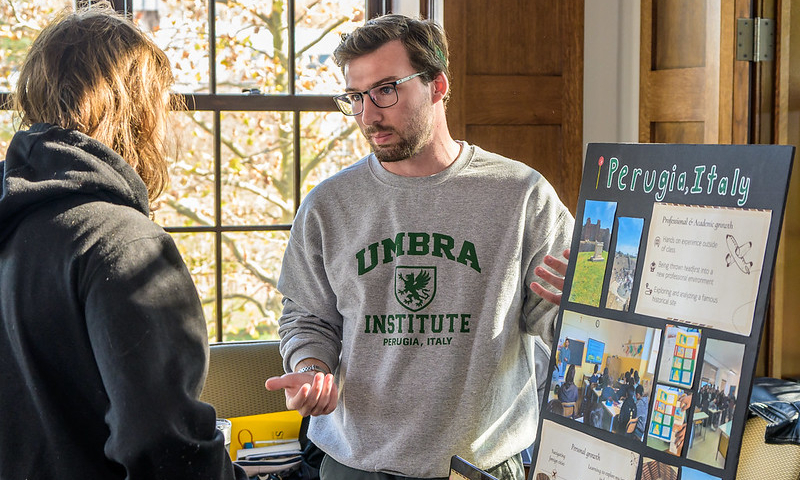
Many St. Mary’s College students study abroad. Our international programs are extensive and we encourage you to explore your interests in different cultures to gain greater perspective and a wider understanding of people and diversity.
"One of the things I love most about St. Mary's College is how welcoming the community is. Starting college felt a bit daunting, but I quickly became involved and met people who are now some of my closest friends! Whether in class, clubs, or just walking around campus, I always find a familiar face."
- Haley Gambrell '26, Mathematics and Economics double major
After you Graduate
A background in economics offers you diverse career opportunities. Graduates of St. Mary’s leave with the education, experience, and ambition to begin professional careers in any number of fields or to pursue further study. Having developed the skills necessary to succeed in today’s world, St. Mary’s graduates realize that their educational experience is just part of a lifelong learning process.
LATEST NEWS
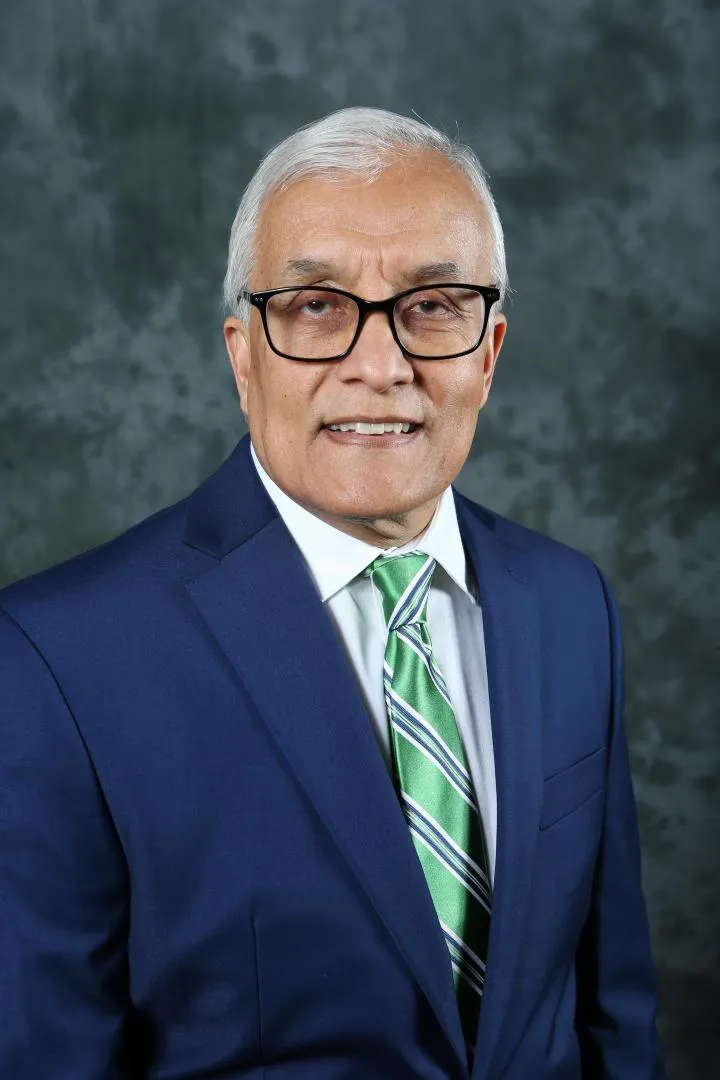

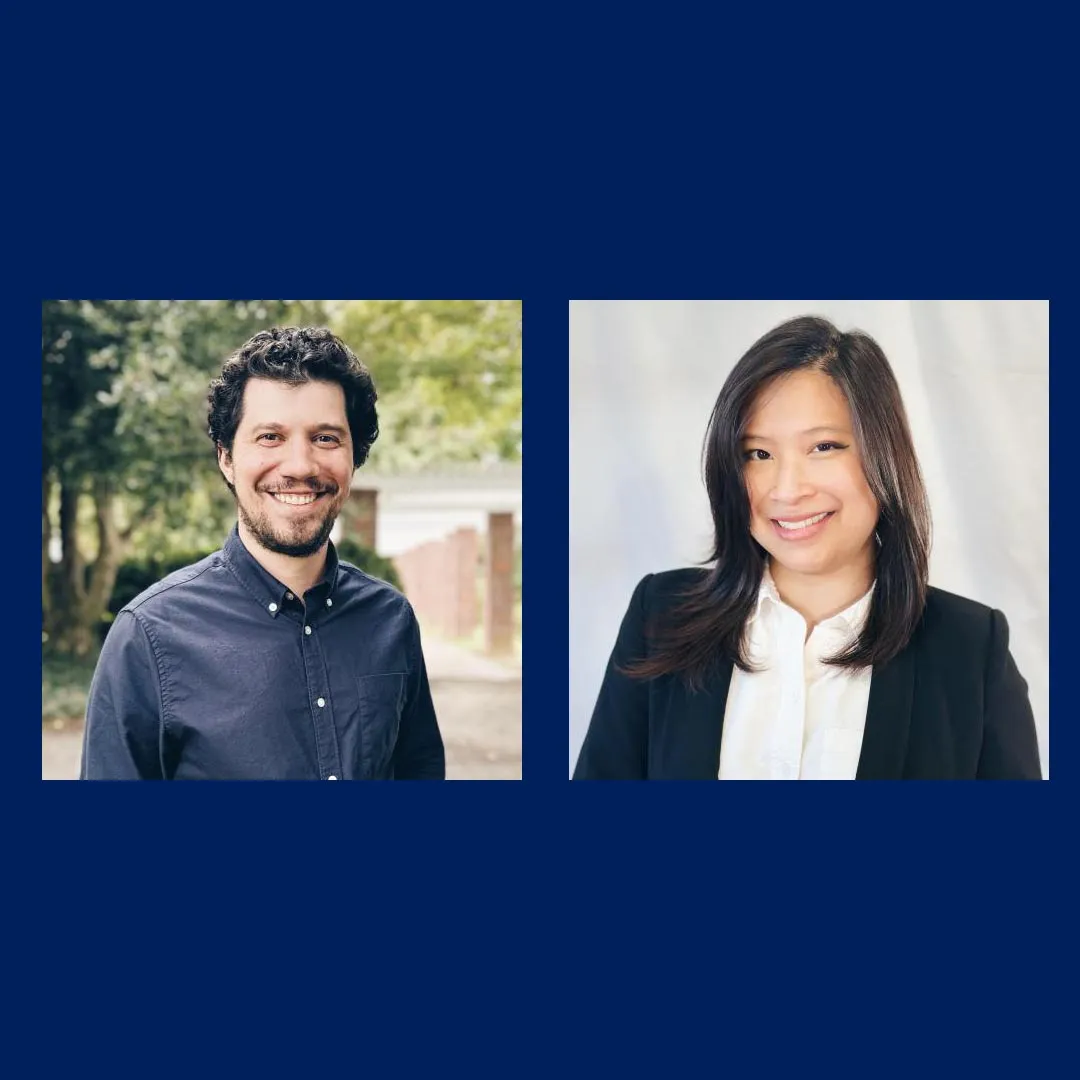
Connect with Your Program Chair
All the faculty here at St. Mary's College of Maryland want to help you explore your interests and set you up for success. We look forward to connecting with you and meeting you on campus.
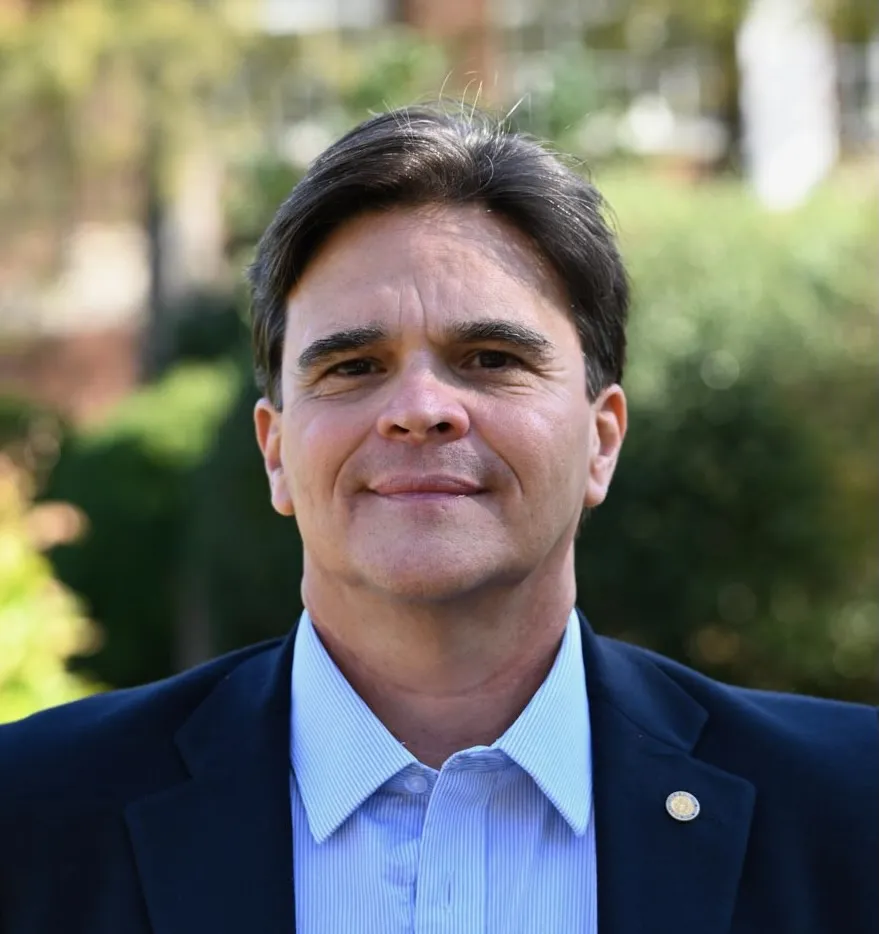
he/him/his
Department Chair
Inaugural William Seale Professor of Business
sborrero@smcm.eduHonor Society
Stay Connected
Expand your learning beyond the classroom with opportunities like studying abroad, internships, hands-on classes, or independent research. These experiences help you see the bigger picture.
At St. Mary’s College of Maryland, you’ll benefit from experienced professors, unlike at larger universities where teaching assistants may lead classes. You’re more likely to have the same professor for multiple courses, work with them on your St. Mary’s Project, or have them as your academic advisor.
When you need letters of recommendation for jobs or grad school, you’ll have professors who know you well and can write strong, detailed letters. This close relationship between faculty and students makes your experience at St. Mary’s unique compared to larger schools.