Read Deeply. Write Boldly. Think Broadly.
At St. Mary’s College of Maryland, the English program helps students explore how language and stories shape our world. Students read and study poetry, fiction and writing from around the globe. They also learn to write their own creative and academic work. The program balances reading and writing, creative thinking and research, and old ideas with new ones.
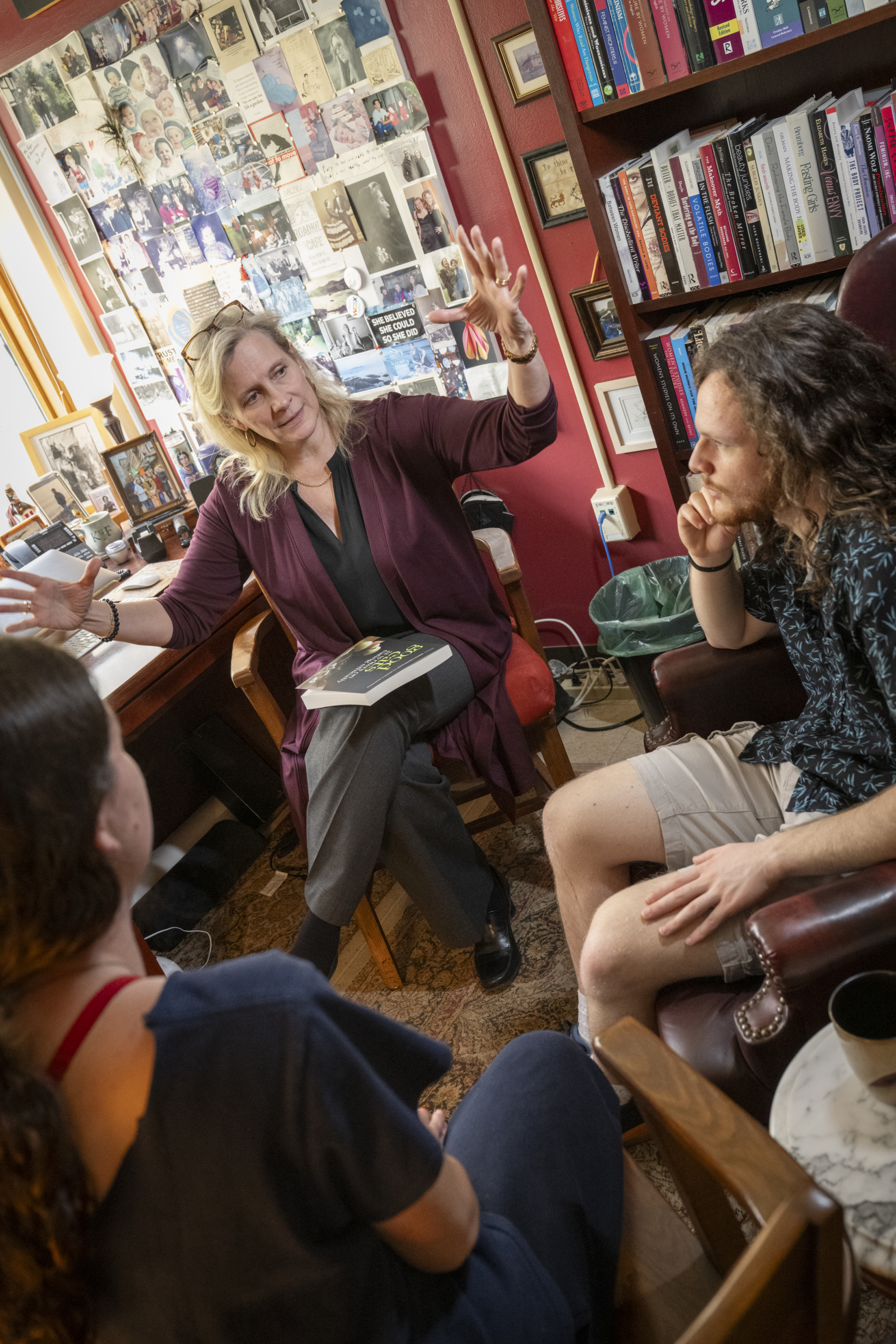
Classes are small and focused on discussion. Students get strong support from their professors and can do research or creative projects on their own. At St. Mary’s College English is more than a major—it’s a way to think, grow and connect with others.
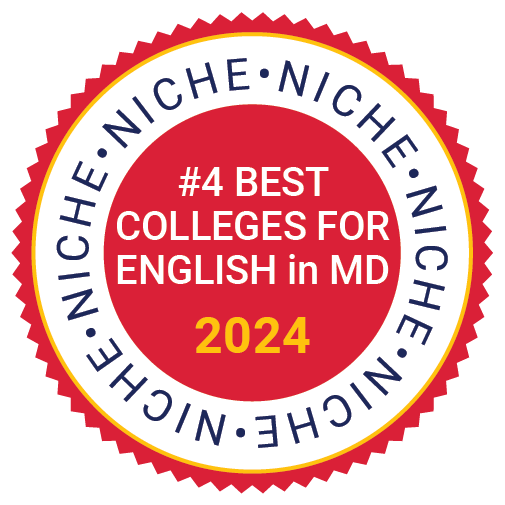
Best Colleges for English in Maryland
FULBRIGHT AWARDS by SMCM alums
student-to-faculty ratio is one of the LOWEST in the nation.
English Major
At St. Mary’s College of Maryland, English majors study books, stories and writing from many times and cultures. The program is part of a liberal arts education and helps students learn how to think deeply, read carefully and write clearly. These skills help them understand complex ideas and express their own thoughts in creative ways.
Students explore big questions about what it means to be human. They might read Shakespeare, write short stories, or study authors from around the world. English majors learn from many voices and grow as readers, writers and thinkers.
English Minor
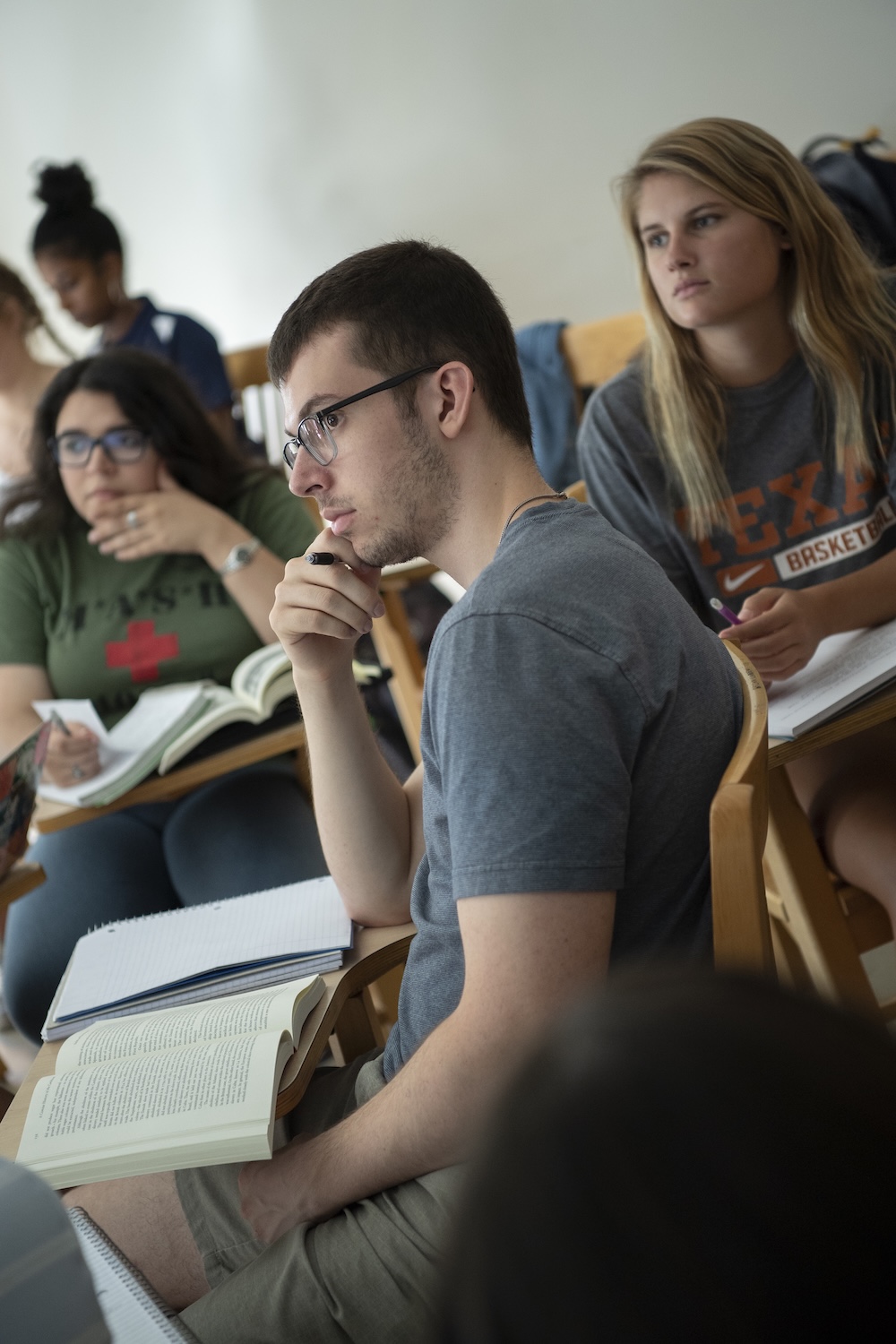
The English minor at St. Mary’s College of Maryland is open to students in any major. It helps you learn more about reading, writing and language. You’ll study different types of books and stories—from classic works to modern writing from around the world.
The minor fits well with other majors like history, psychology, environmental studies, or biology. It helps you think clearly, write better and understand people from different cultures. With small classes and lots of discussion, you’ll build strong skills in reading, writing and communication.
Creative Writing Minor
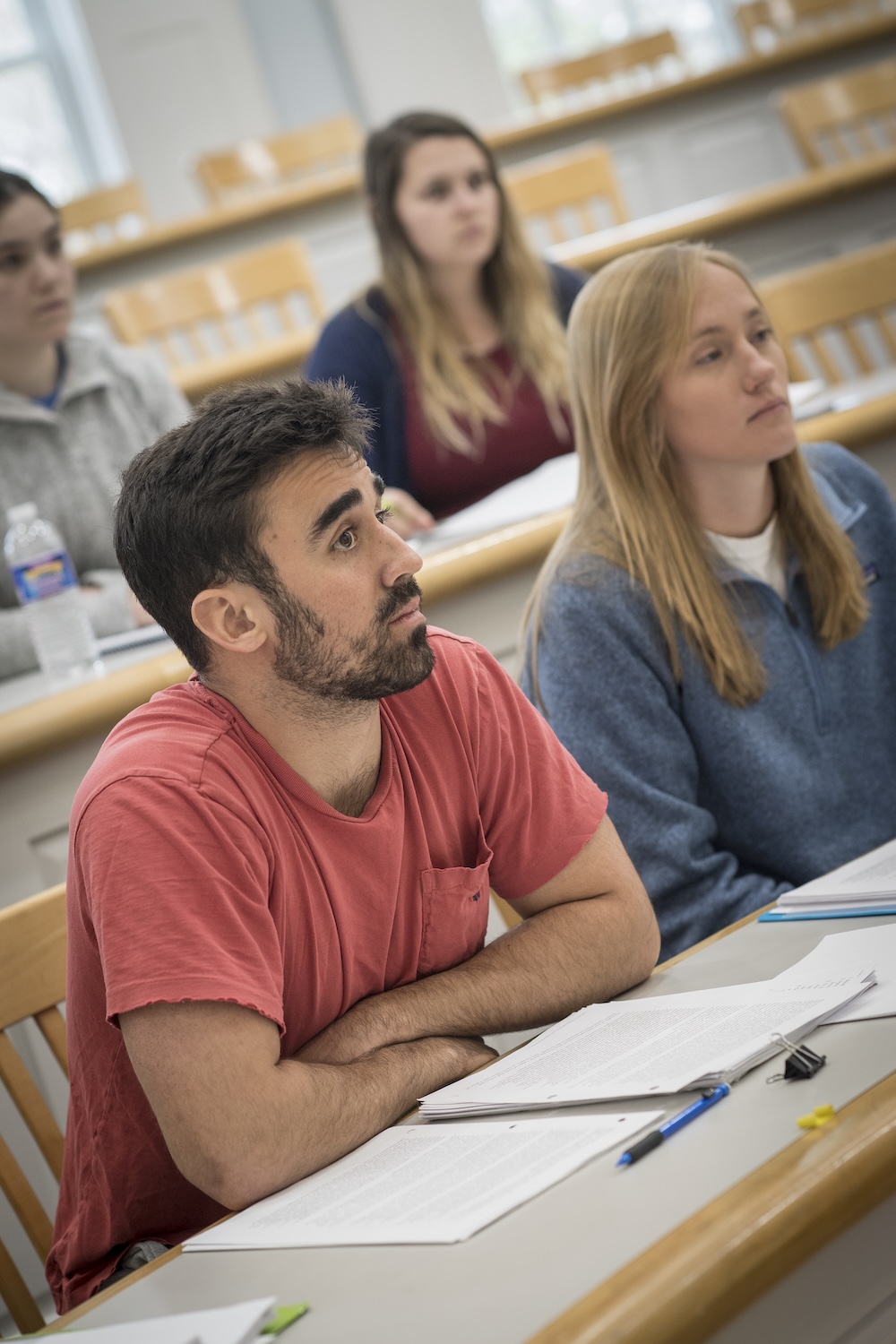
The Creative Writing minor at St. Mary’s College of Maryland helps students explore different ways to tell stories—like writing fiction, poetry, nonfiction, or mixed styles. The program is based in the liberal arts and encourages students to try new forms of writing and build good writing habits.
You’ll take workshops and literature classes, get support from faculty writers and become part of a creative group of fellow students. Whether you want to write for a job or just for fun, this minor helps you grow your ideas, write more clearly and feel confident sharing your stories.
Courses Offered
English Courses
- English Courses>
Honors College Promise
At St. Mary’s College of Maryland, the English major helps students understand the world—and gives them the tools to make a difference. Like all degrees from the National Public Honors College, it prepares students for many careers, such as writing, teaching, publishing, law, public service, journalism and marketing. Many students also go on to graduate or professional school.
The program teaches students to read closely, think carefully and write clearly. English majors learn to build strong arguments, understand different views and share ideas in meaningful ways. Whether they write policies, teach books, or tell powerful stories, our graduates use their minds and their hearts in everything they do.
Voices
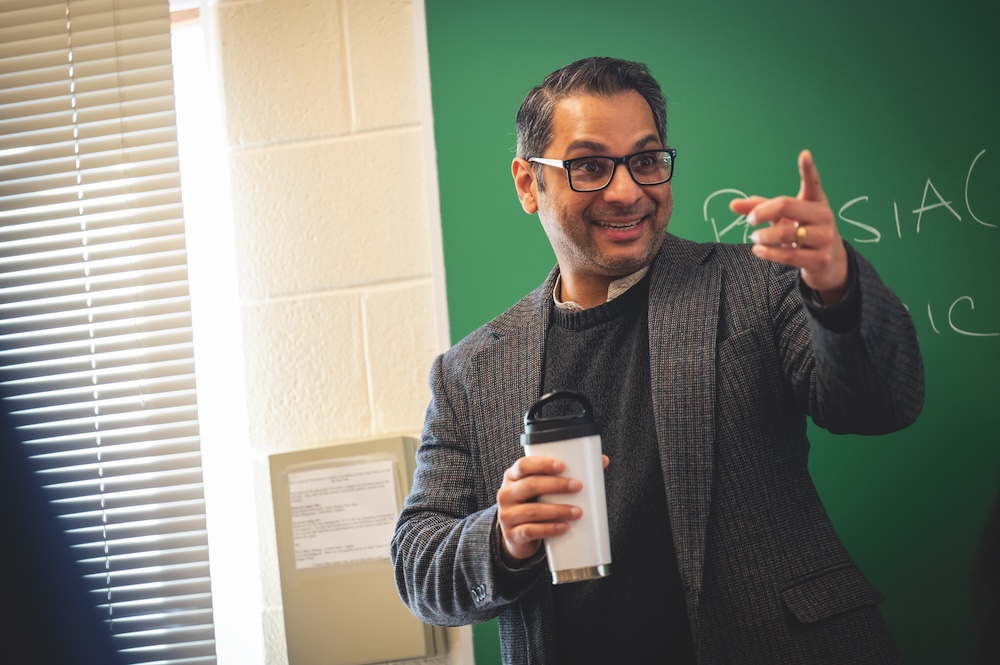
The VOICES Reading Series, established by poets Lucille Clifton and Michael Glaser over 30 years ago, features poets, fiction writers, and nonfiction writers and is intended to bring accomplished writers to the campus to interact with students and faculty. Invited writers read their works throughout the semester on Thursday evenings at 8:15 P.M at Daugherty-Palmer Commons, and all readings are free and open to the public. Once or twice a month, authors give a short reading and then respond during a brief question and answer period. Each reading is followed by a reception, where students and faculty can mingle with the author and other interested writers and readers. The author’s book(s) are also sold during the reception and can be signed by the author. Luminaries such as Mark Doty, Elizabeth Alexander, Toni Morrison, and Naomi Shihab Nye have read in the series.
Information on events are posted throughout campus, and emails are sent out near the date of the readings; please contact the director, Karen Leona Anderson (klanderson@smcm.edu) if you would like to be added to these notifications. In addition, all the events and information on the authors can be found at our Facebook page: Creative Writing Resources at St. Mary’s College of Maryland.
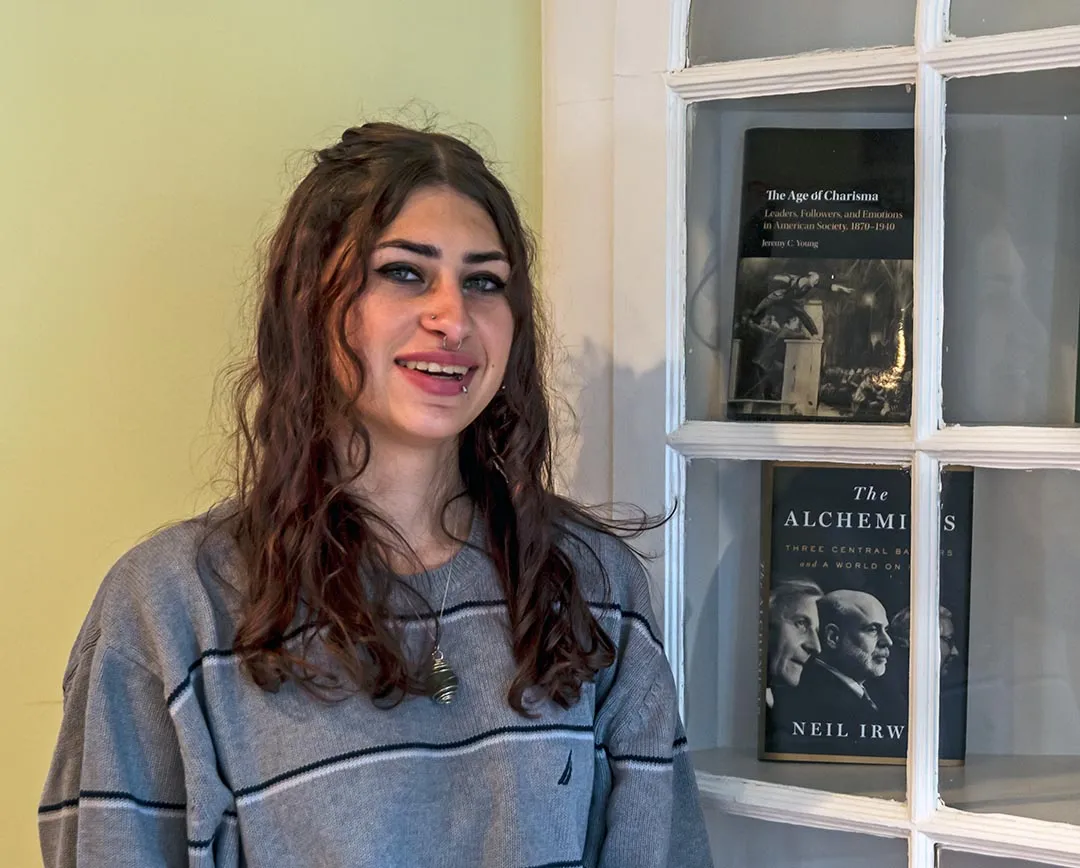
"A lot of the English major is discussion and figuring out what things mean and finding deeper meaning in things you maybe wouldn’t have seen before. Regardless of whether you go into profession where you are writing or editing or using English you will always have to communicate with other people, and you learn how to respect other people’s viewpoints but also convey your own."
- zoe smedley ’19
After you Graduate
Graduating from St. Mary's College with an English major helps students build strong thinking, writing and communication skills. It also gives them a better understanding of language and culture. Graduates find jobs in publishing, journalism, teaching, marketing, law, public service and more. Many also go on to graduate or professional school.
Whether they write for nonprofits, edit websites, teach, or work to make change, SMCM English graduates bring creativity, care and smart thinking to their work. They’re ready not just for a first job—but for a lifetime of meaningful work in many different fields.
LATEST NEWS

Connect with Your Program Chair
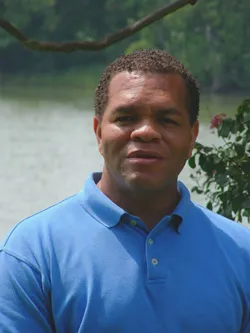
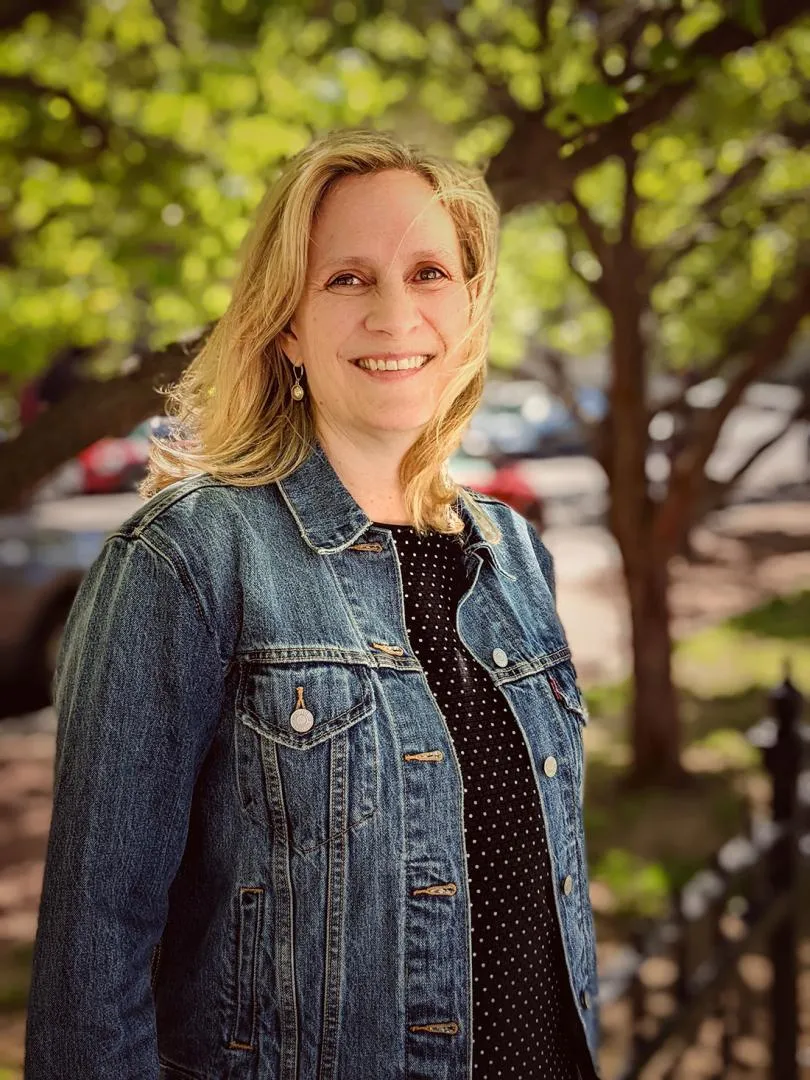
All the faculty here at St. Mary's College of Maryland want to help you explore your interests and set you up for success. We look forward to connecting with you and meeting you on campus.