Think critically. Act politically.
At St. Mary’s College of Maryland, the political science program equips students with a deep understanding of government systems, political behavior, law, and global affairs. Just a short drive from Washington, D.C., students benefit from access to the nation’s political hub—opening doors to internships, research opportunities, and firsthand engagement with policymaking. Through experiential learning, rigorous coursework, and faculty mentorship, students develop the critical thinking and analytical skills needed to tackle today’s complex policy challenges.
of students participated in internships, international experiences and undergraduate research (Class of 2023).
of students major or minor in a second academic discipline (Class of 2025).
SMCM's student-to-faculty ratio supports students through their time on campus and beyond.
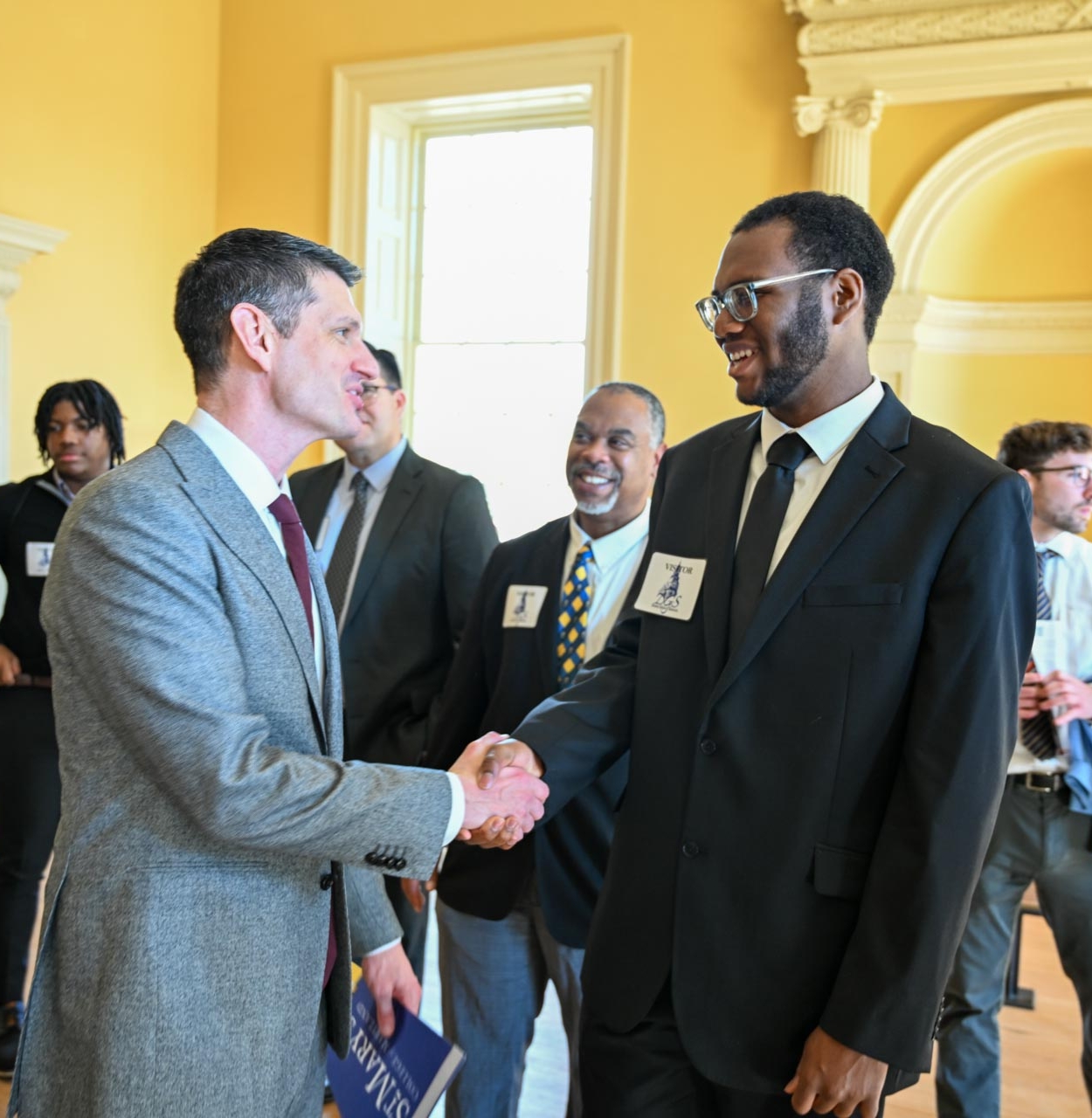
Political Science Major
The political science major blends rigorous theoretical study with hands-on experience. Students explore the foundations of political systems through core courses in American government, comparative politics, international relations, political theory and quantitative methods. As they advance, students take part in small, discussion-based seminars and pursue independent research through the St. Mary’s Project (SMP).
Political Science Minor
The political science minor offers complementary insight for majors in public policy, economics, history, international studies, and more. With core courses in political systems and methods, minoring students develop analytical frameworks useful far beyond the classroom—preparing them for careers in business, law, or advocacy.
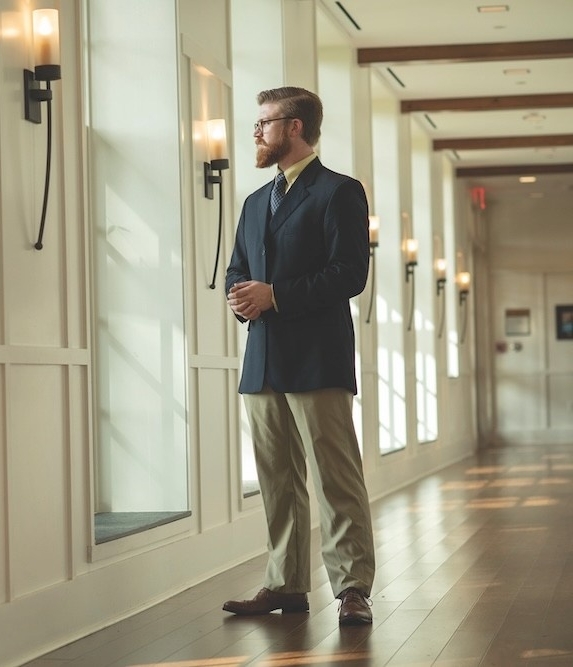
Courses Offered
Political Science Courses
- Political Science Courses>
Honors College Promise
Political science students participate in programs like the Washington Program, the Schaefer Internship and The Steny H. Hoyer Center for the Study of Democracy. Internships place students in congressional offices, nonprofits and policy centers where they apply classroom learning to real-world challenges. Many also take part in study abroad—spending semesters in places like South Korea, France or South Africa—and engage in faculty-supervised St. Mary’s Projects (SMP) driven by inquiry in policy, law, or international affairs.
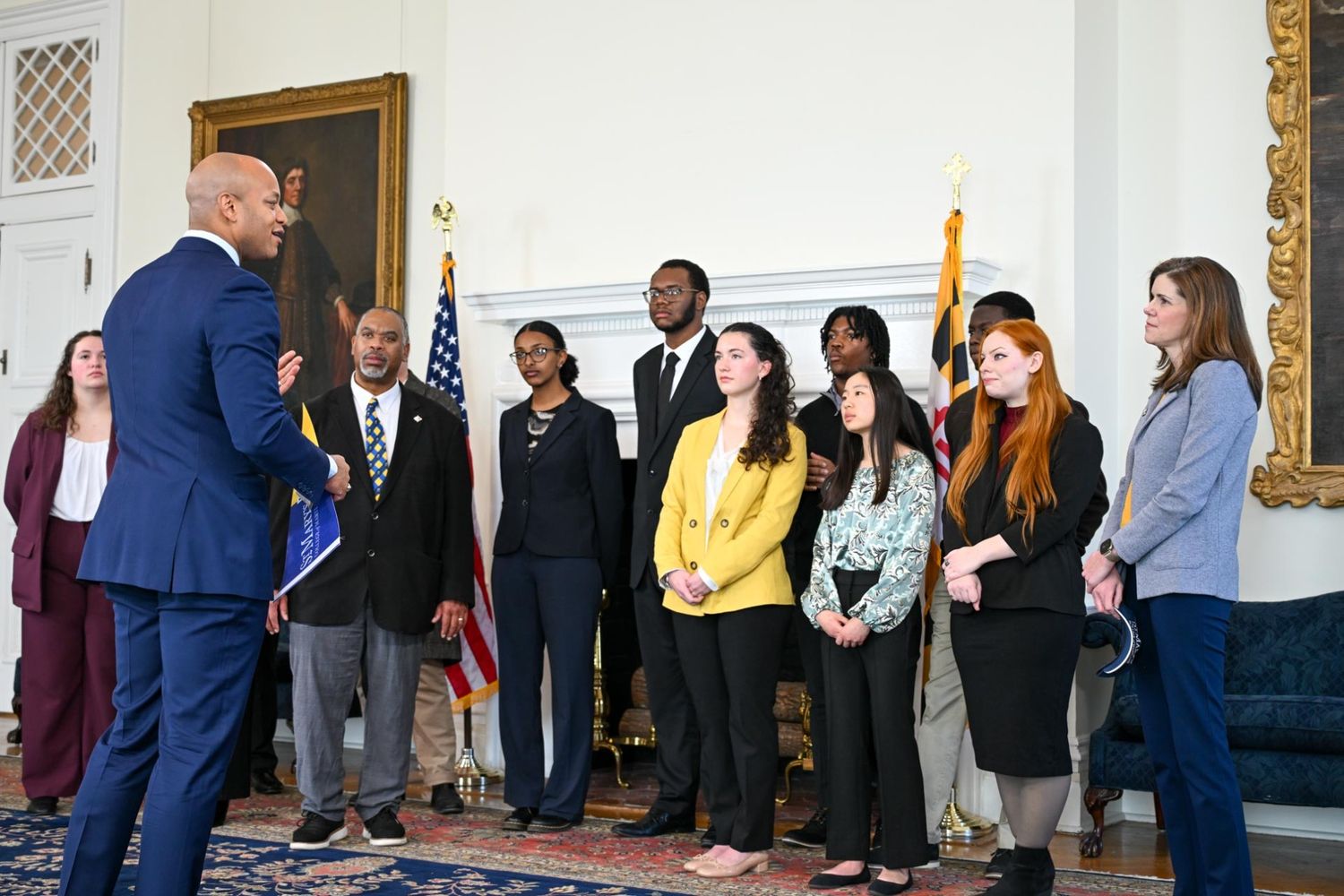
"The public honors college experience fostered intellectual debate about international affairs and politics within a community of individuals who were all, in one way or another, looking to leave the world a little bit better."
- Dave Elseroad ’01, Political Science Major
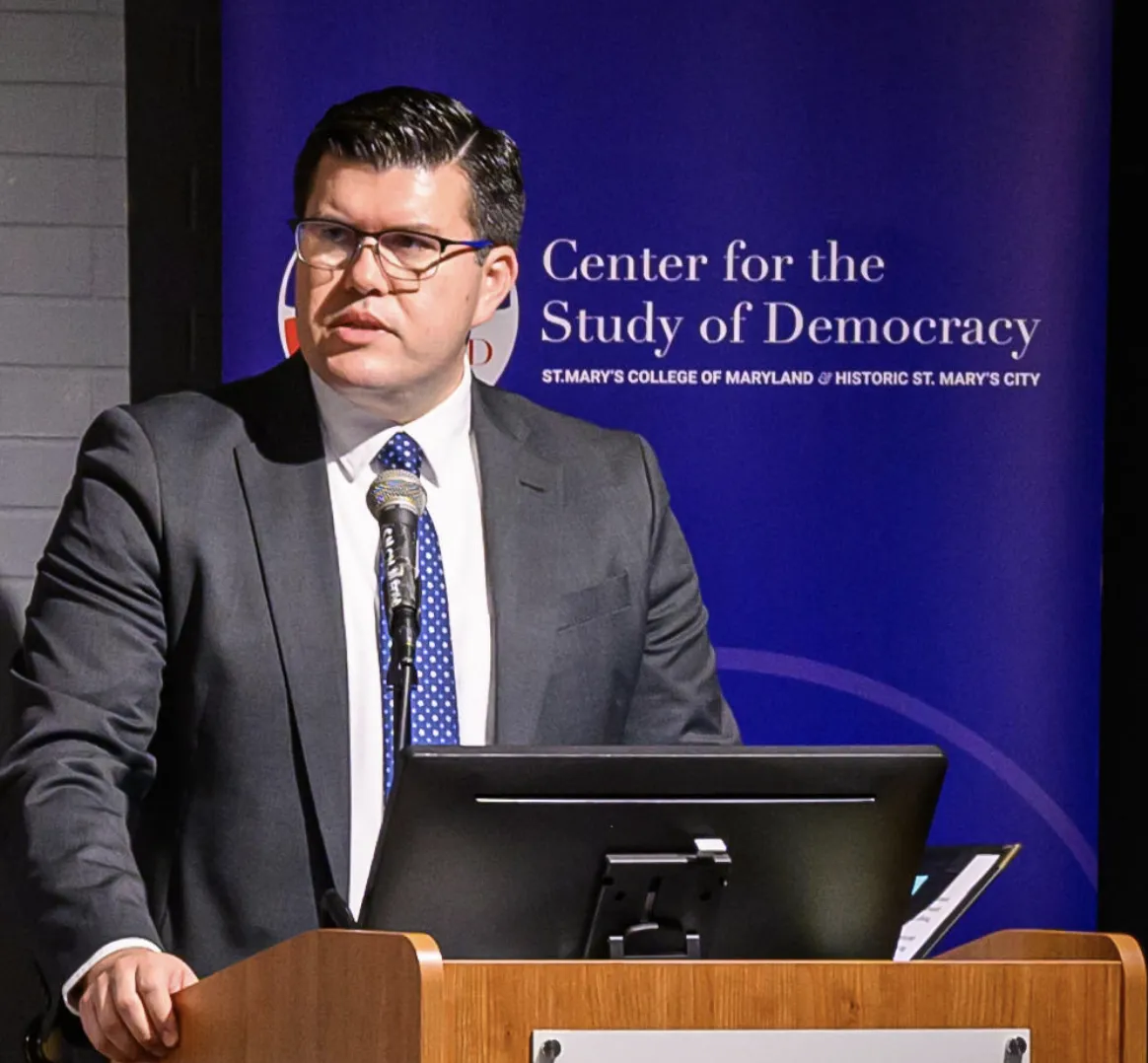
The Steny H. Hoyer Center for the Study of Democracy
The Steny H. Hoyer Center for the Study of Democracy facilitates activities that explore issues related to democracy at home and abroad, hosting events by notable political figures, produces publications, and funds faculty, community, and student programs. It also offers a number of internships to students interested in government and politics. We stimulate dialogue, enhance learning, forge partnerships, and promote civic engagement within the St. Mary’s College community.
After you Graduate
Graduates pursue diverse paths: law school, graduate study in public policy, journalism, international affairs, or immediate careers in government, NGOs, political campaigns, and education. Highlights include Fulbright semi-finalists among 2024 grads, and alumni employed at congressional offices, think tanks, and advocacy groups—many through connections fostered via the Washington Program and The Steny H. Hoyer Center for the Study of Democracy.
LATEST NEWS
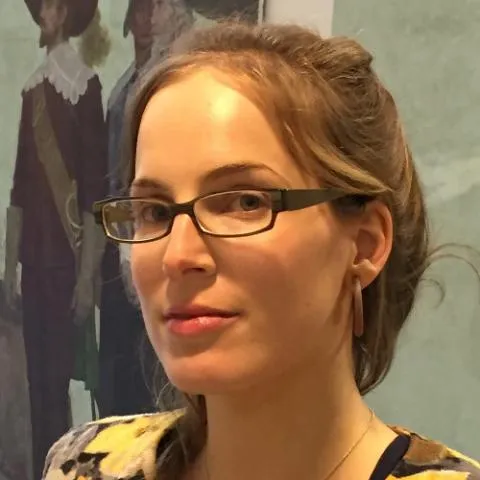
Connect with Your Program Chair
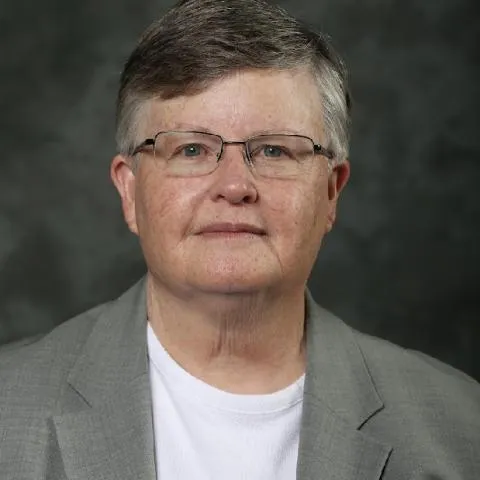
All the faculty here at St. Mary's College of Maryland want to help you explore your interests and set you up for success. We look forward to connecting with you and meeting you on campus.