The personal is political.
We’re thrilled to introduce you to our Women, Gender, and Sexuality Studies (WGSX) program—an innovative, cross-disciplinary area of inquiry that explores how gender and sexuality shape our individual lives, our nation, and the globe. Whether you are pursuing a WGSX major or minor, this program will empower you to think critically and creatively about the forces that influence gender and sexuality in today’s world.
In WGSX, we understand that gender and sexuality are complex and multifaceted. They’re shaped by social, psychological, biological, and cultural forces that extend into politics, law, education, literature, media, and the arts. Our curriculum encourages you to explore these dynamics through diverse theories, including feminist critiques from multiple viewpoints, queer theory, and contemporary feminist research, all in a collaborative and inclusive academic environment.
of WGSX alumni had employment experiences directly linked with WGSX.
of WGSX alumni said the skills and knowledge gained in WGSX was very valuable in their post-graduate endeavors
SMCM's student-to-faculty ratio supports students through their time on campus and beyond
Women, Gender and Sexuality Studies Major
The WGSX program looks closely at how women, gender and sexuality are seen in culture and society. It uses ideas from feminism, gender studies and queer studies to better understand power, identity and relationships.
Because gender and women’s issues affect many parts of life and learning—and are also connected to things like race, class, ability and sexuality—the program includes many different subjects and points of view from different cultures.
Women, Gender and Sexuality Studies Minor
The WGSX Program helps students and faculty:
- Learn how ideas about gender work in different cultures and times
- Understand how sex and gender are connected but not the same
- Explore how people think about sexuality and sexual identity
- See how gender and sexuality connect to things like race, class and ability
- Talk about and work to fix unfair treatment based on gender and sexuality
The program focuses on learning about women’s experiences and how gender and sexuality shape our world. WGSX classes are offered in many subjects and show how gender is an important part of understanding people, history and society.
The Cross-Disciplinary Experience
Cross-disciplinary studies foster connections across various fields by requiring 18 to 24 credit hours from at least three academic disciplines, including eight upper-division credits. These programs include an integrative component and may permit the completion of a St. Mary’s Project. Completion is recorded as a minor on the transcript.
Women, Gender, and Sexuality Studies (WGSX) is a cross-disciplinary program involving more than 30 faculty members from fields like History, English, Environmental Studies, Psychology, Anthropology, Political Science, and International Languages and Cultures. The program examines gender and sexuality through diverse perspectives, including cultural, social, political, and scientific viewpoints. Students participate in seminars such as “This Woman’s Work: Challenging the Narrative in Music,” “Sex, Gender, Mind, and Brain,” and “Just Food: Food Writing for Social Justice.”
The only required course is “Introduction to Women, Gender, and Sexuality,” which acts as the gateway to the program. After completing this course, students can design a personalized curriculum tailored to their academic and career interests.
Courses Offered
Women, Gender and Sexuality Studies Courses
WGSX 220: Introduction to Women, Gender, and Sexuality Studies
This interdisciplinary class introduces students to the foundational issues, debates, and methodologies of feminist, gender, and sexuality scholarship. The course will consider biological, psychological, and cultural aspects of gender and sexual identity and development as well as the links among gender, sexuality, race, and class. In this course, students will explore material and theoretical aspects of these core dimensions of human experience across time and cultures. Given the gendered dynamics of power and oppression, the history, representation, and experience of traditionally disempowered groups-women and sexual minorities-will receive special attention. Not open to students who have received credit for both WGSX 200 and WGSX 210.
WGSX 340: WGSX Methods and Modes of Thinking
This course focuses on examining the various research methodologies represented in the interdisciplinary field of Women, Gender, and Sexuality Studies, as well as feminist critiques of the dominant methodologies and theories of knowledge creation in the sciences, social sciences, and humanities. Methodology is the study of what we “do” when we do research--and our examination of research production will be focused on the following questions: How do we know what we know? Who decides what counts as knowledge? Who does research? How does the social location of the researcher (e.g., race, class, gender) impact their research? How can research be used or misused? What questions and worldviews drive our research? Our exploration of answers to these questions will be both epistemological (i.e., exploring what is considered to be knowledge) and practical (i.e., exploring various research methods). Prerequisite: WGSX 220 or consent of the instructor.
WGSX 350: Advanced Topics in Women, Gender, and Sexuality Studies - Topic: Feminist Media Studies: Sex and Tech
This class takes a feminist media studies approach to various questions concerning sexuality and technology: How does technology enhance, trouble, and disrupt sexuality, sexual identity, and sexual expression? How do depictions of technological advancement in film intersect current ideas of gender, sexuality, race, and identity? Do advanced forms of technology pose a significant risk to human relationality? How might feminism respond to the more worrisome aspects of technological advancement?
The course begins with a primer on feminist media studies theory and methods before moving into texts on cyberfeminism and digital media studies. Throughout, we will collectively engage with objects, films, fiction, texts, that explore the chosen theme and apply a feminist media studies analysis to said object. The course culminates with student projects that analyze a cultural object from a feminist media studies perspective.
WGSX 350: Advanced Topics in Women, Gender, and Sexuality Studies - Topic: Critical Heterosexuality Studies
Critical Approaches to Heterosexuality examines various elements of heterosexuality from a queer feminist perspective. The course will analyze heterosexuality from a variety of theoretical positions, including psychoanalysis, affect theory, critical theory, and cultural studies. Questions explored will include: What is heterosexuality? What are its boundaries and limitations? How and when did the idea of "the heterosexual" emerge? How flexible is it? What is its social and political function? Through what processes does heterosexuality reproduce itself? How can we trace heterosexuality's effects on other identities? How is heterosexuality complicated by race, class, geography, and time? What is feminism's relationship to heterosexuality? What is heterosexuality's relationship to misogyny? How might we develop a queer feminist analysis of the immense amount of strife around heterosexuality in the current moment, embodied by movements like #MeToo and forms of misogynistic extremism like incel and online masculinist movements? By putting heterosexuality under the microscope, this class will examine the power of sexual norms and how they shape our understanding of the world and ourselves.
WGSX 450. Seminar in Women, Gender, and Sexuality Studies
WGSX 493/494. St. Mary's Project in Women, Gender, and Sexuality
Honors College Promise
Expand your learning beyond the classroom with opportunities like studying abroad, internships, hands-on classes, or independent research. These experiences help you relate what you learn in the classroom to real-world contexts.
At St. Mary’s College of Maryland, you’ll benefit from experienced professors, unlike at larger universities where teaching assistants may lead classes. You’re more likely to have the same professor for multiple courses, work with them on your St. Mary’s Project, or have them as your academic adviser.
When you need letters of recommendation for jobs or grad school, you’ll have professors who know you well and can write strong, detailed letters. This close relationship between faculty and students makes your experience at St. Mary’s College unique compared to larger schools.
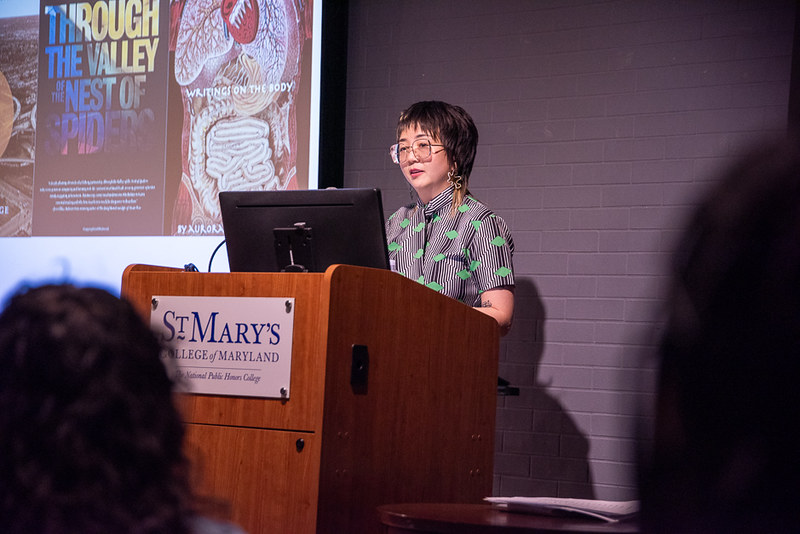
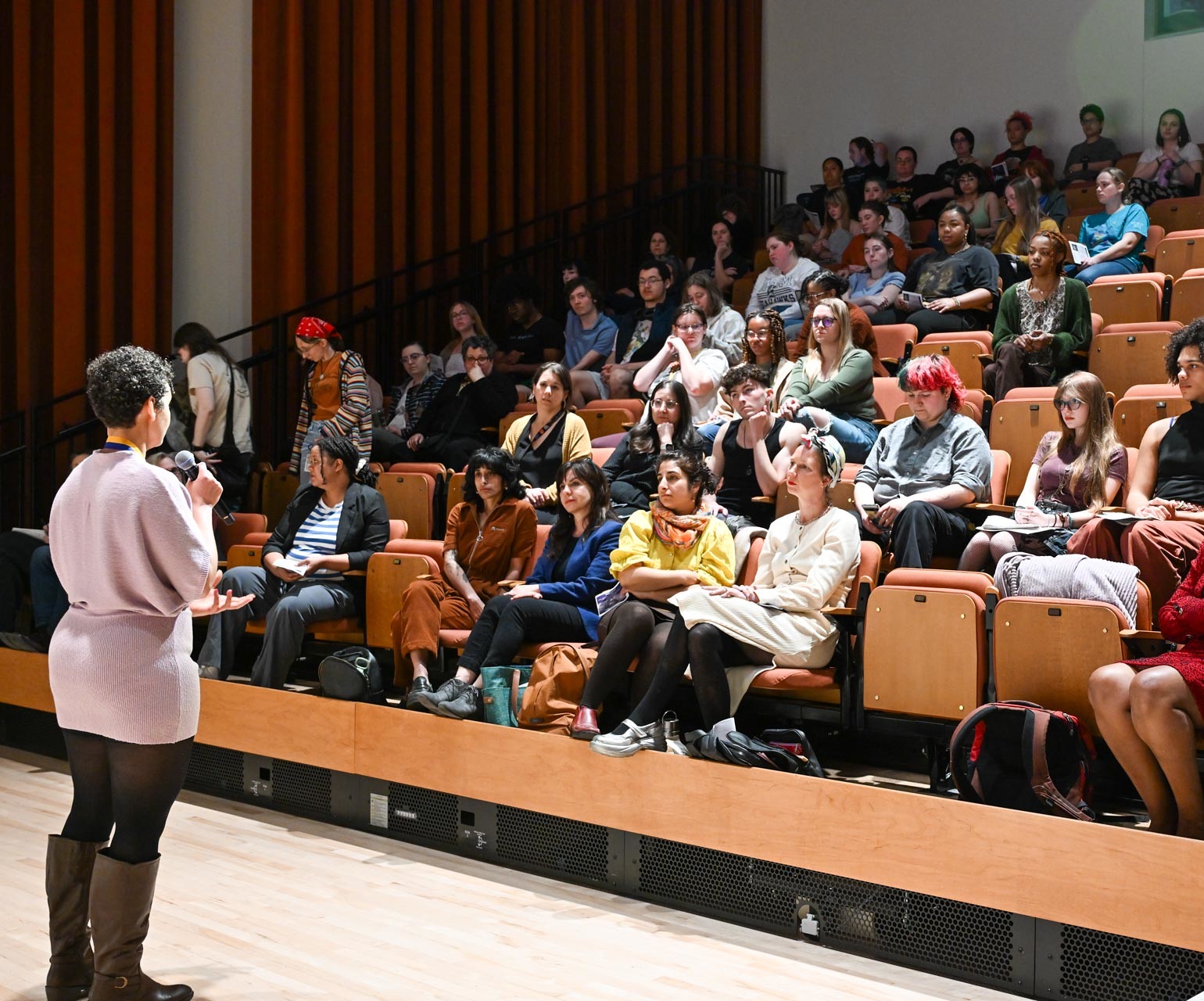
Annual WGSX Colloquium
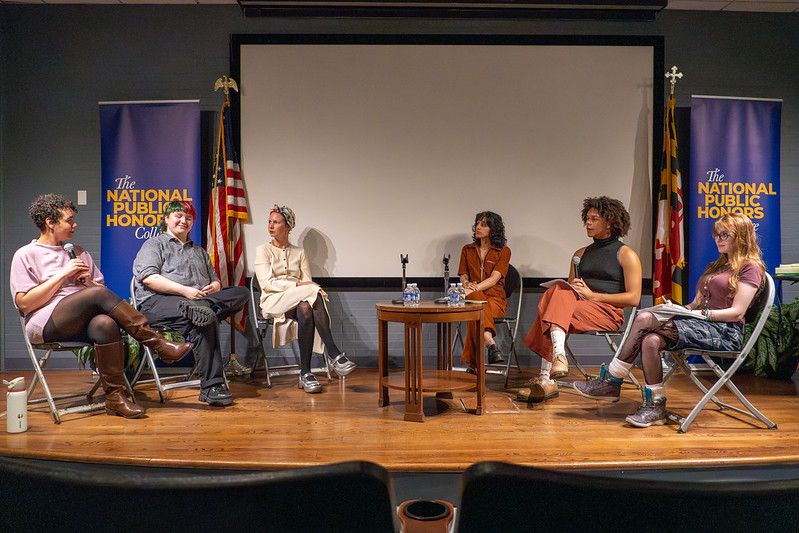
Since 2000, St. Mary’s College has held a yearly WGSX Colloquium during Women’s History Month. Supported by a special fund, this event brings together talks, art, film and performances to explore important issues in women’s lives. It’s become a well-loved tradition that brings in large crowds each spring.
"With the small class sizes and all the different clubs on campus, I have had so many amazing opportunities to find and connect with students, faculty and staff."
- Mary Govan '27, Psychology Major, special education and women, gender, and sexuality studies minors
After you Graduate
WGSX helps students build strong thinking, writing, and speaking skills. Because the program includes many subjects, students also learn how to do research and share ideas with different kinds of people.
WGSX doesn’t just teach about gender and sexuality—it helps students understand how the world works and how power affects people’s lives.
- 71% of graduates said WGSX helped shape what they did after college.
- 97.8% said the skills they learned were very useful in their lives after graduation.
LATEST NEWS
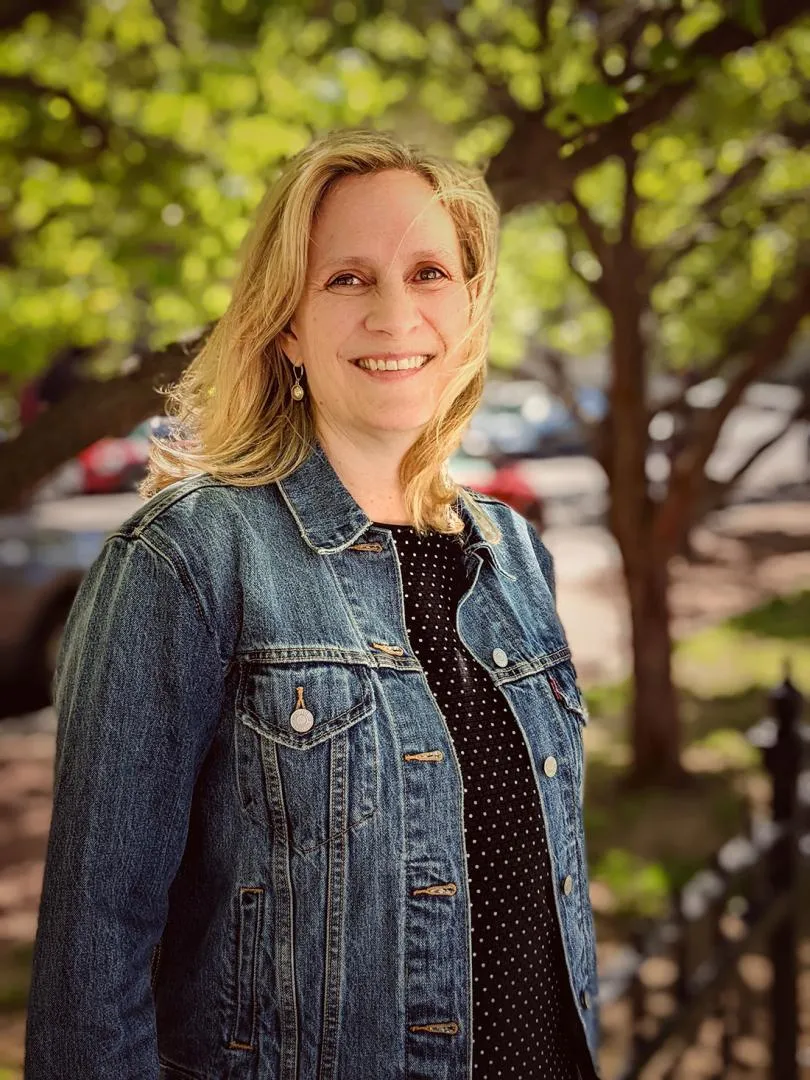
Connect with Your Program Chair
All the faculty here at St. Mary's College of Maryland want to help you explore your interests and set you up for success. We look forward to connecting with you and meeting you on campus.
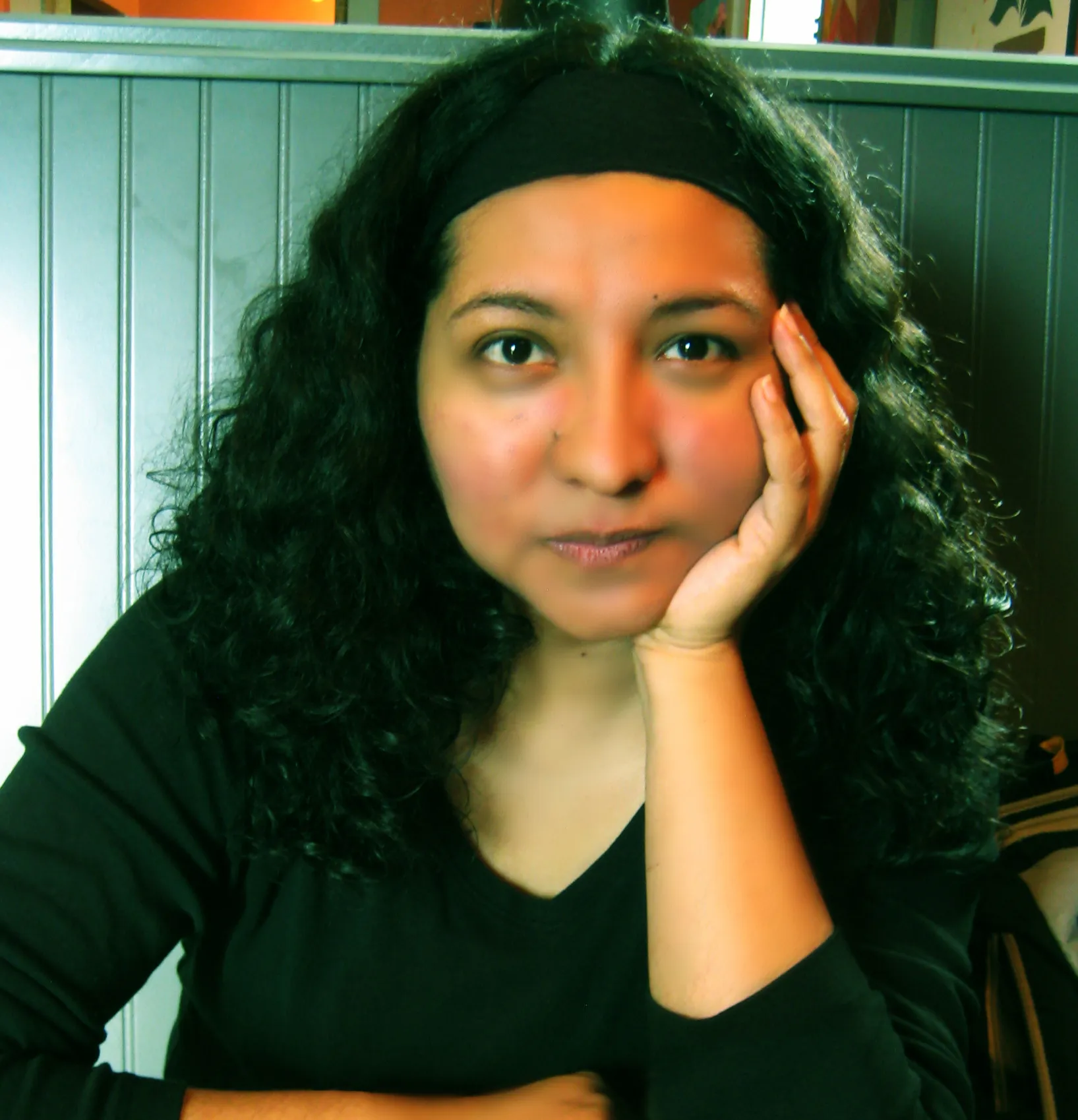
ella/she
Associate Professor of Spanish | WGSX Coordinator
agonzalezhurtado@smcm.eduWGSX LLC (Living Learning )
WGSX House is a special campus housing option for students interested in gender, sexuality, and feminist issues. People living there plan events, lead discussions, and create a safe and respectful space for everyone.
Activities include things like group talks, potlucks, and trips to events like marches in D.C. It's a place where students can connect classroom learning with real-life experiences.
Students earn one credit each semester they live in the house and meet expectations. All genders and sexual orientations are welcome to apply.