Learn on the Water. Explore Beyond the Classroom.
Explore the waters of the Chesapeake Bay through St. Mary’s College of Maryland’s Academic Fleet. These vessels give students hands-on opportunities to connect classroom learning with field research, marine science, environmental studies, and the College’s waterfront setting.
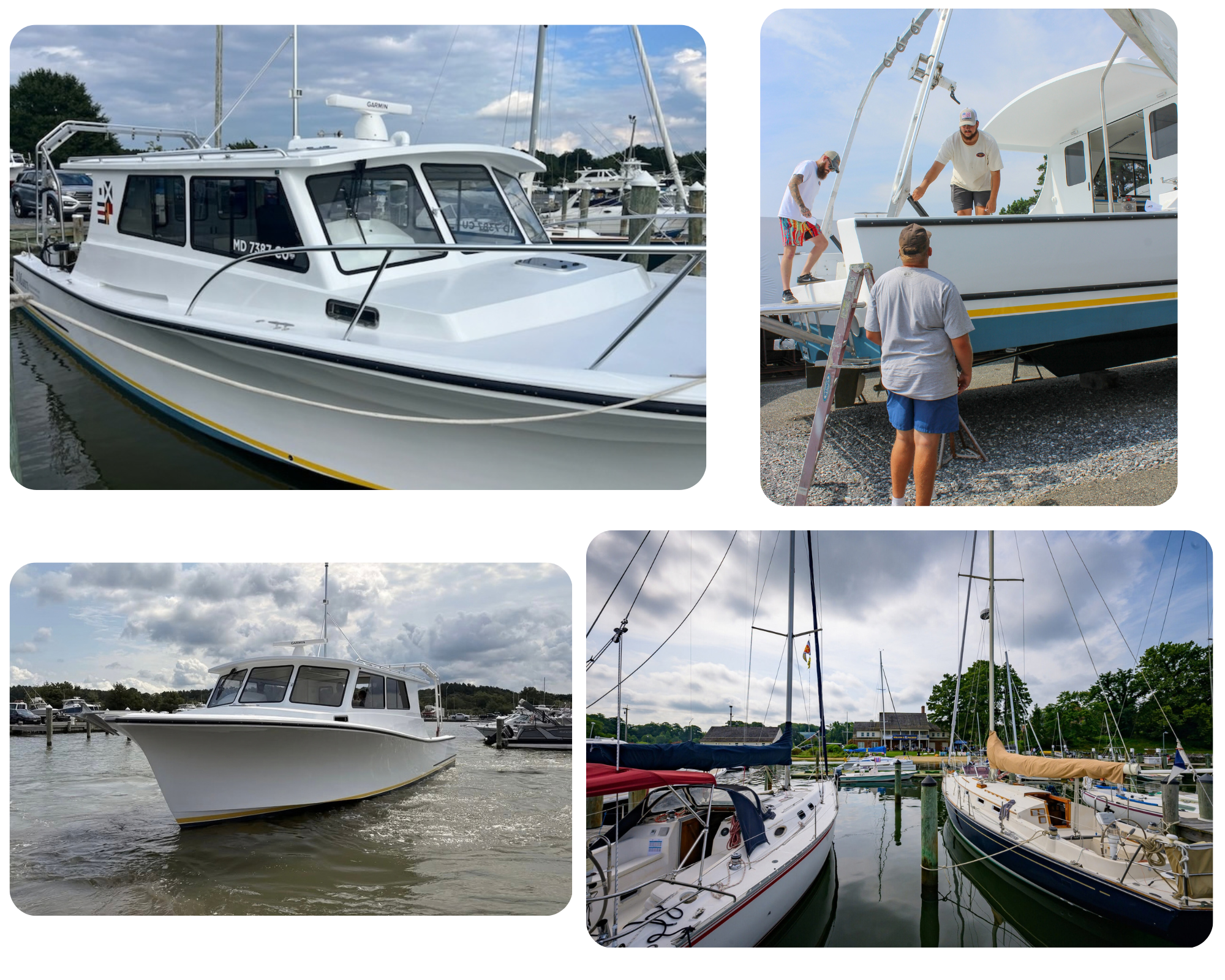
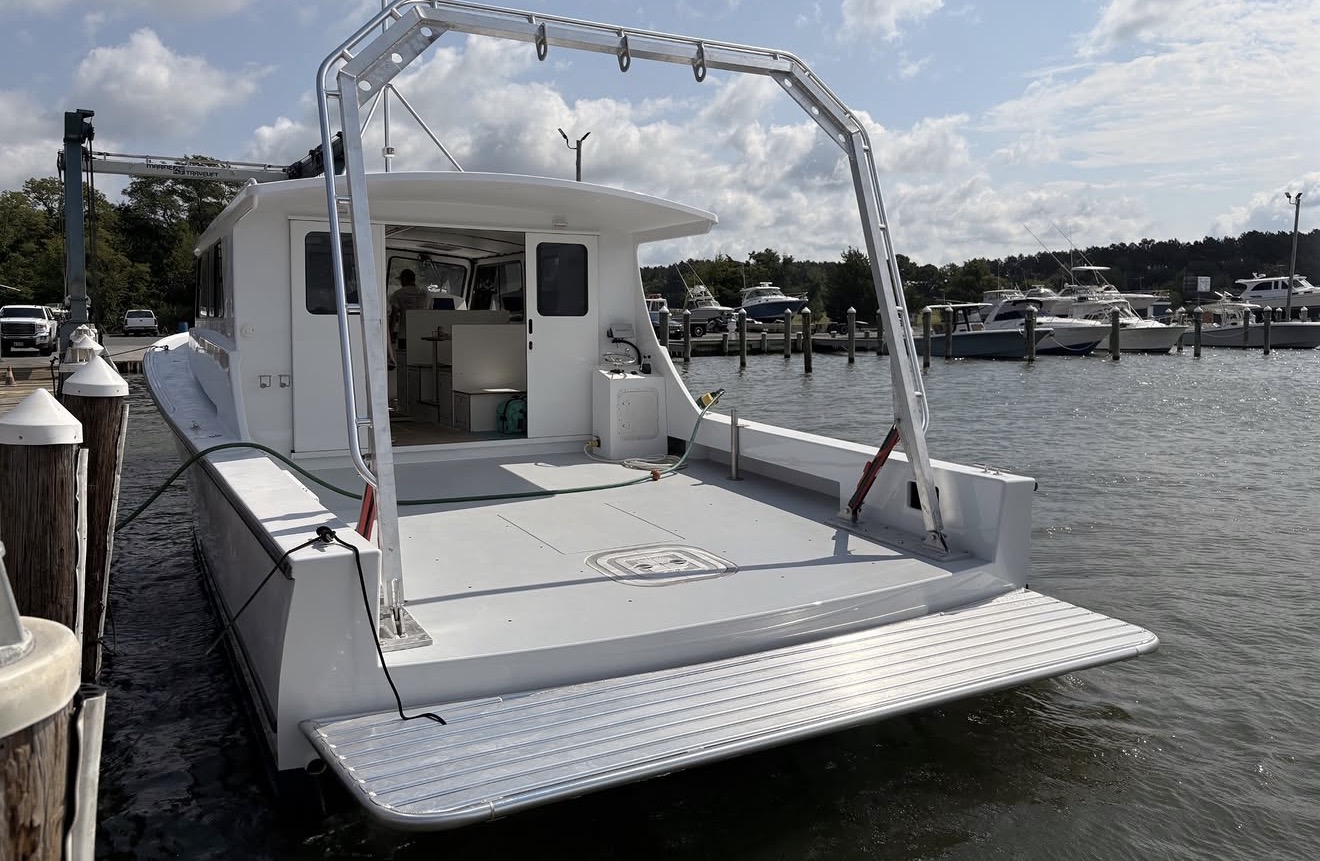
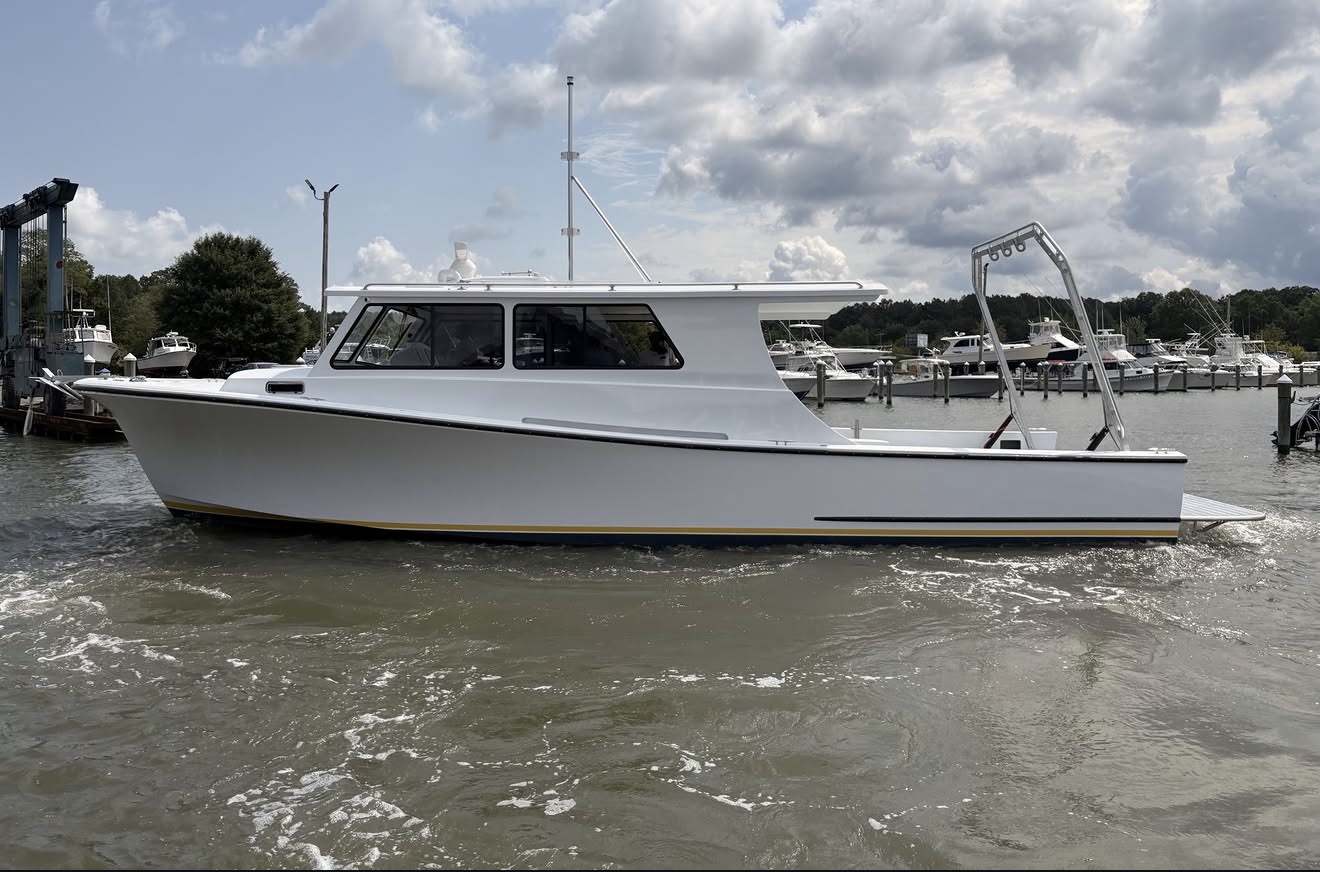
R/V SMCM CY46
- Length 46ft
- Beam 16’
- Capacity 26 persons
- Propulsion twin QSL9 Cummins
- Fuel capacity 470 gallons
- Primary functions include larger group field work, labs, research, and external projects. Specializes in deployment and recovery of sampling equipment.
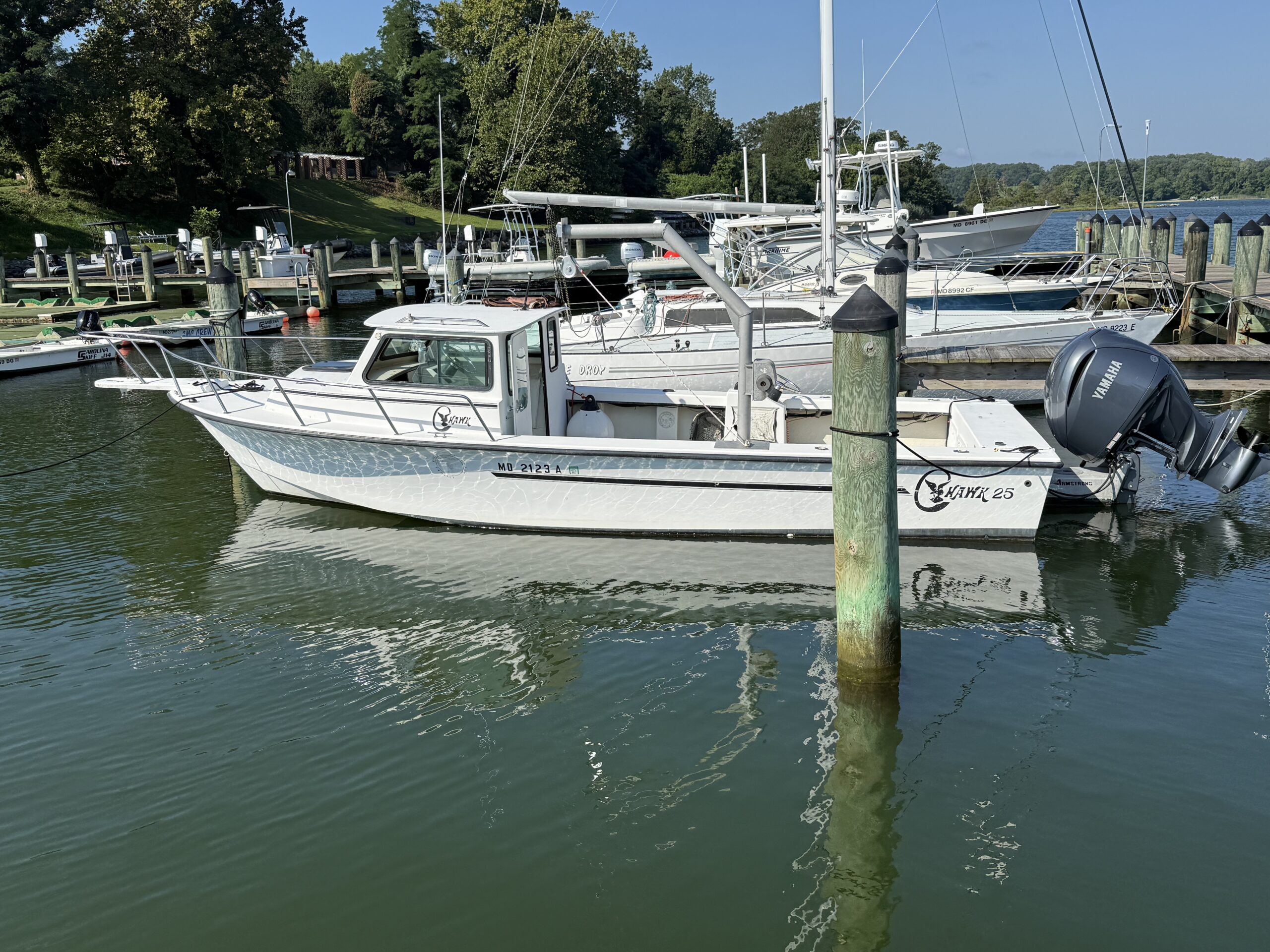
The C-Hawk
- Length 25ft
- Capacity 7 persons
- Propulsion single 250 yamaha outboard
- Primary function includes small group lab work, and faculty and student research project support. Specializes in shallow water capabilities, and deployment and recovery of small sampling equipment.
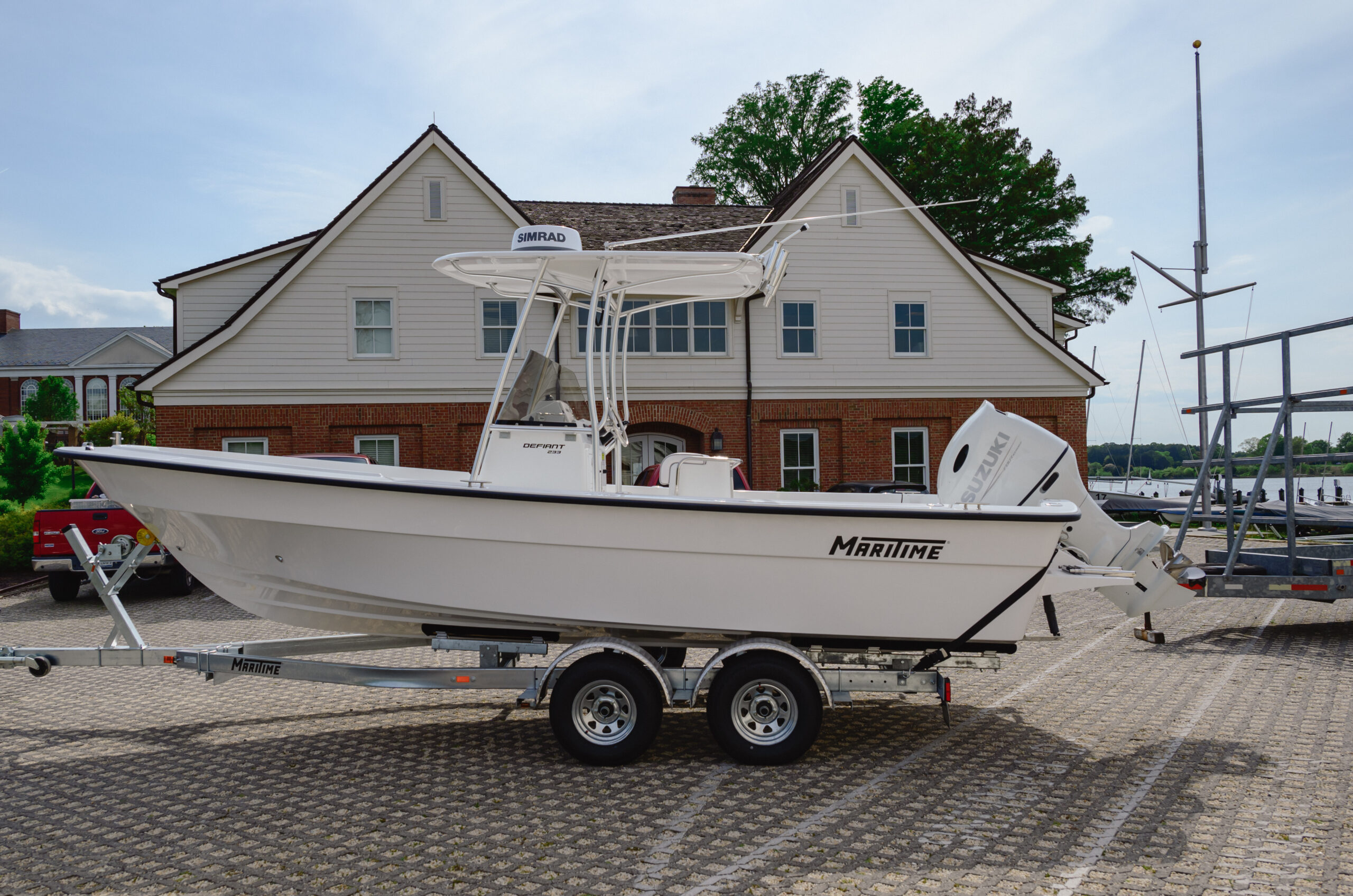
The Maritime Skiff
- Length 23ft
- Capacity 7 persons,
- Propulsion single 200 suzuki outboard
- Primary function includes small group lab work and faculty and student research project support. Specializes in shallow water capabilities.
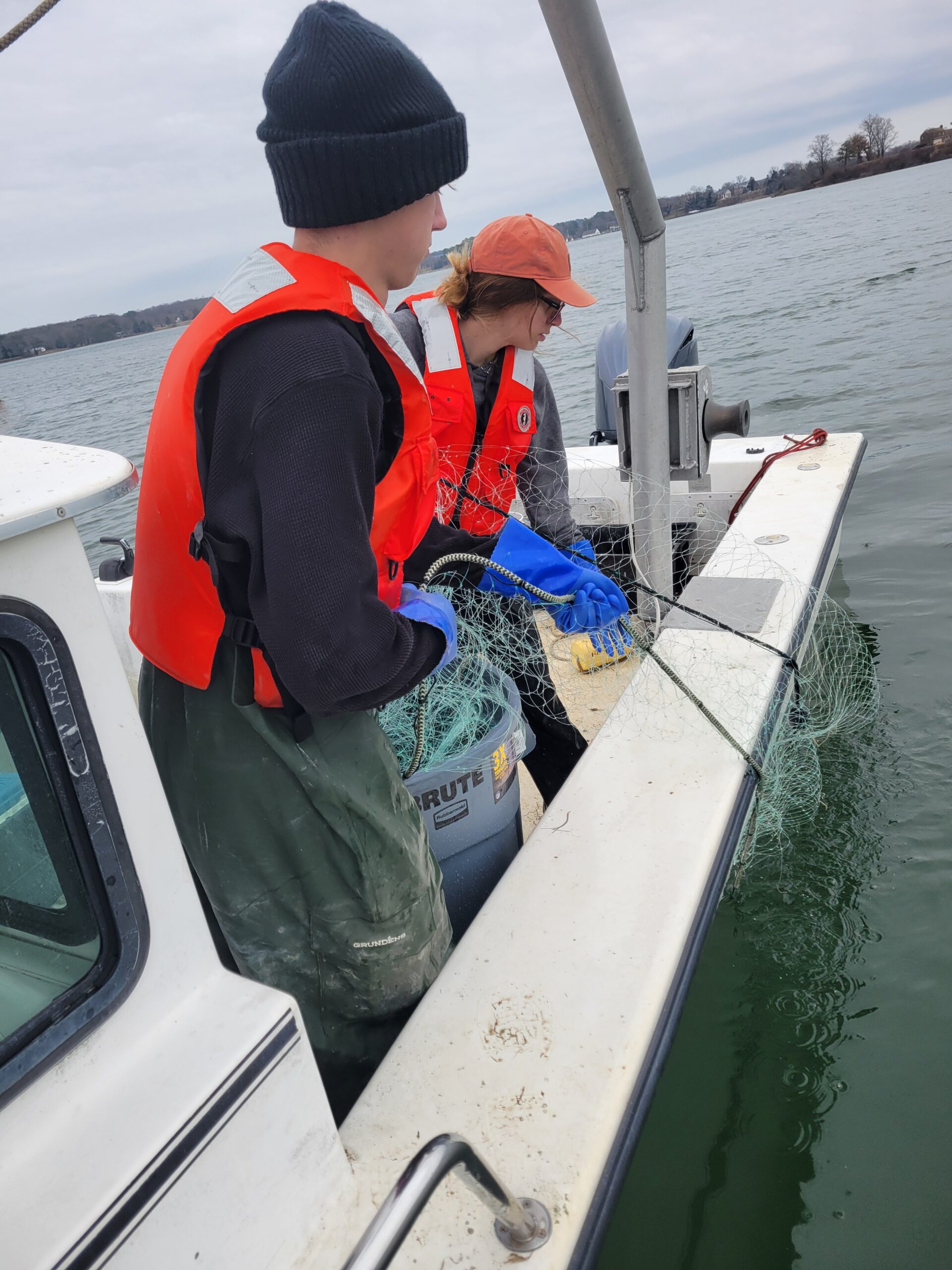
"Marine Science Students pulling up Gillnets"
Tech and Specialized Equipment
The Maritime skiff is equipped with:
- SIMRAD sonar, radar, sidescan and built in GPS charts
The C-Hawk is equipped with:
- Garmin sonar, sidescan, built in GPS charts
- Davit with an electric capstan for hauling gear
The CY46 is equipped with:
- Garmin radar, sonar, sidescan and built in GPS charts
- Generator
- SeaKeeper 6
- Davit with hydraulic capstan
- A-frame equipped with hydraulic winch and capstan.
- Raw and fresh water supply access
- The marine science department has a Conductivity, Temperature, Depth (CTD) Sensor that can be deployed off of the C-Hawk, and the CY46.
Operational Location
- Our Academic Fleet is docked at our Teddy R Turner Waterfront at the James P. Muldoon River Center on St. Mary’s College of Maryland’s Campus.
- The Maritime Skiff and the C-Hawk typically operate in nearby tidal rivers such as the St. Mary’s River, and the Potomac River. They can be trailered to other local rivers as well. They are capable of operating in the main stem of the Chesapeake Bay when weather permits.
- The CY46 will operate in local rivers and the main stem of the Chesapeake Bay, but is capable of operating in near coastal areas. The CY46 has a much wider operational range given its increased size and fuel capacity. Engineered for versatility across the mid-Chesapeake Bay, our research vessel combines a wide beam hull, spacious cabin area, and a 3’3” draft. This low draft allows researchers to navigate tributaries, and shallow zones inaccessible to larger academic fleet ships, while retaining the heavy-weather reliability needed for open-bay operations.
- The upper St. Mary’s River is a designated state oyster sanctuary. Therefore these boats are docked in a perfect location to study marine sanctuary environments that are a matter of yards away.
- USCG certifications
Bryan Lloyd the Director of Marine Operations holds a USCG 100-ton near coastal masters license, and will be the primary operator of the CY46.
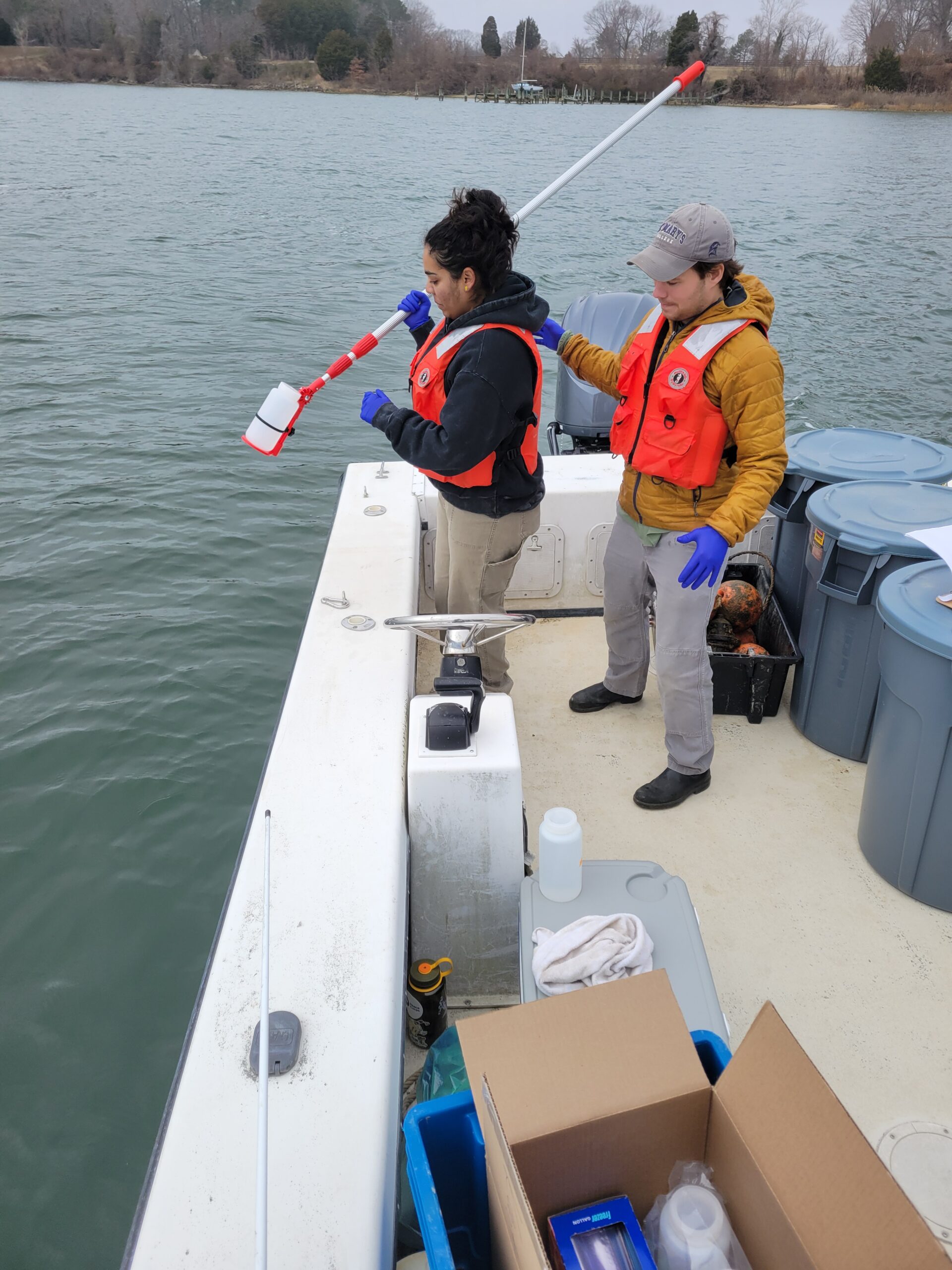
"Marine Science Students working on their SMP projects collecting data samples in the nearby St. Mary's River"
Visuals & Logistics
- The CY46 will be arriving on campus during the Fall 2026 semester.
- All three Academic boats will be docked at the SMCM waterfront.
Questions?
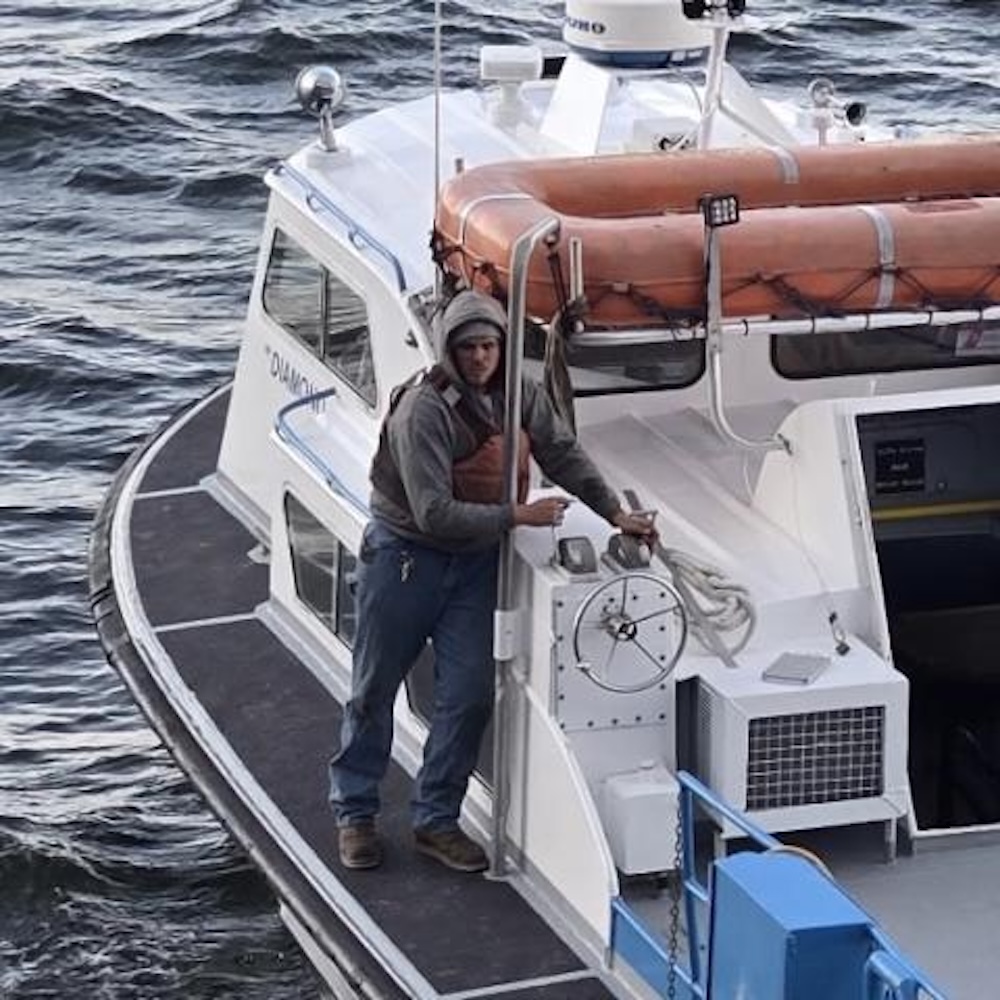
Bryan J. Lloyd
Director of Marine Operations
bjlloyd@smcm.edu
USCG certifications
Bryan Lloyd the Director of Marine Operations holds a USCG 100-ton near coastal masters license, and will be the primary operator of the CY46.